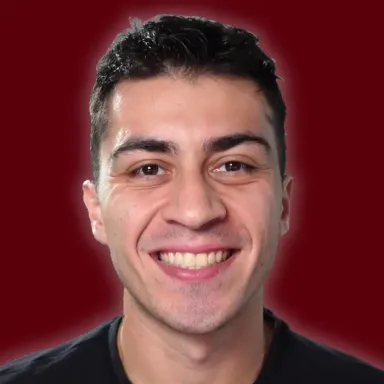
Preface
Who I am.
The foundation of my character was formed in my grandma's diner. I learned how to work there before I knew that is what I was learning, and how to talk to anyone who walked through the door. I also grew up skipping the things everyone assumed I would try. I have never had alcohol or touched drugs, and that is one thing I will happily brag about.
The talking-to-anyone part turned into the thing I am best at. I build trust with people fast, and I do it the opposite of slick. I am honest to a fault, I will tell almost anyone almost anything about myself, and I would rather show you the receipt than describe it. That has opened more doors for me than any credential.
I stack skills instead of jumping between them. Finance, marketing, building, teaching, and talking to people all started in my twenties and still compound every day. I spent a lot of those years learning instead of earning, and I am honest about what that cost me. I trust my gut more than I used to, and I try to act on it in weeks instead of years. Most people and most projects are only in your life for a season, and you have to compound on what each one gives you. And when I do not feel like doing the hard thing, I ask myself, "What's the alternative?" Then I remember I could be hating my life at a nine-to-five, and I do the hard thing anyway.
Right now, that looks like building with AI as the realist in the middle of it. I am not the hype guy and I am not the doom guy. I am the one deciding what the tools should actually do.
I have also always been the guy who wants to be out playing something. Ball hockey is still a few nights a week, golf whenever I can sneak it in, and I do not see that ever changing.
The version of success I actually want is not a number. It is being a good husband to Amanda and a good father to Nolan, with enough freedom over my time to be there for both of them.
1996 to 2009
A Pittsburgh kid.
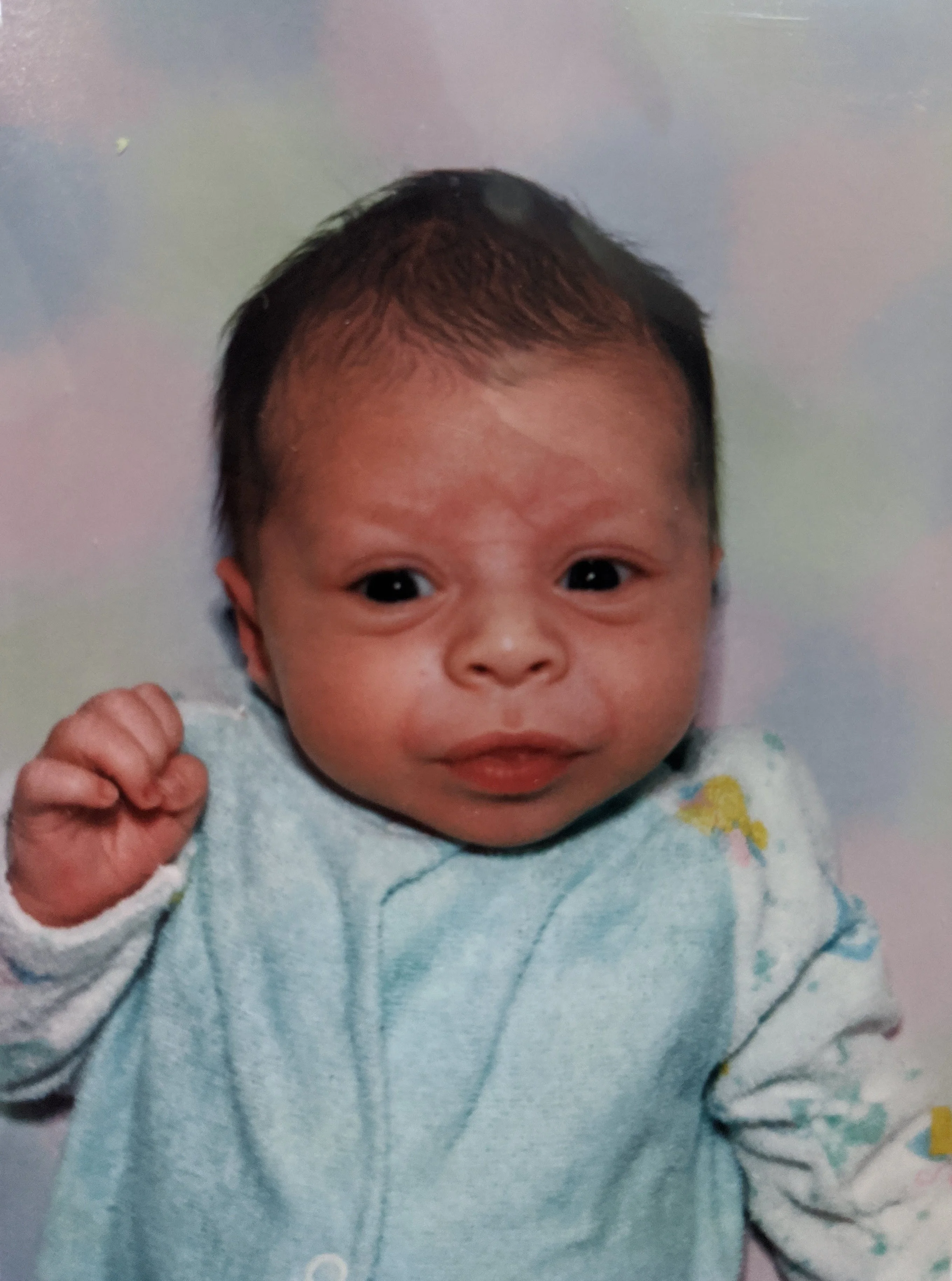
I was born in Pittsburgh on January 28, 1996, on Super Bowl Sunday. The Steelers were actually in the game that year, and they lost. It does not mean anything, but this is a football town, so it is the kind of thing you grow up hearing about, and I have always thought it was funny.
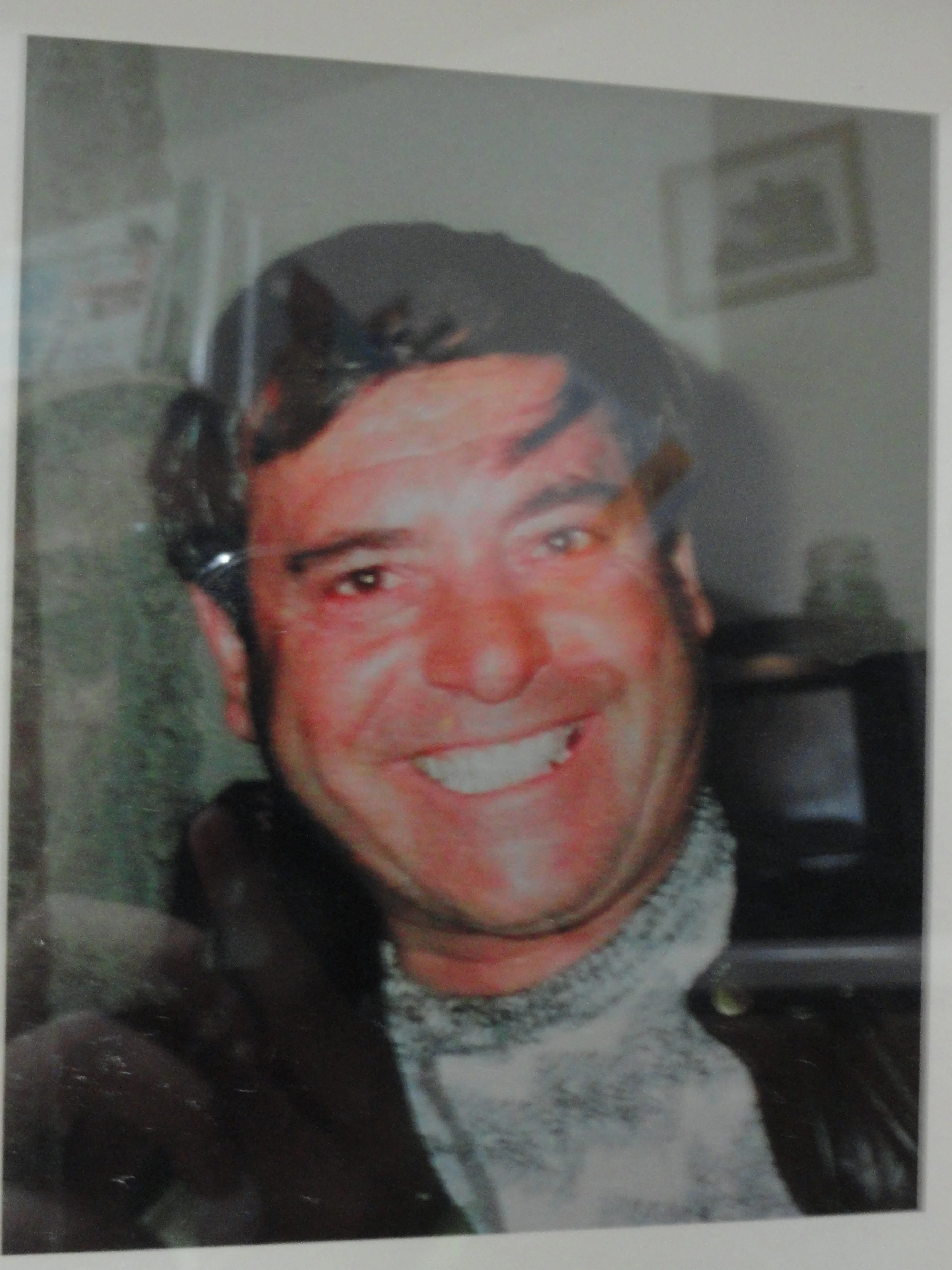
My mom's side is Italian. She came over from a small town in Lazio when she was 7, along with my grandma Connie and my grandfather Luigi. Luigi died of lung cancer in 1997, when I was 1, so I never really got to know him, but by every account he worked relentlessly, which runs in that whole side of the family.
My dad is a Pittsburgh guy who has spent his whole career in HVAC. My parents are two of the hardest-working people I have ever known. My mom was back at work 2 weeks after she had me, and according to them I was a terrible baby who never slept. They did their own labor on the house and on their rental units instead of hiring it out, the house was always clean, there was always food on the table, and they paid for Catholic school for both of us. My sister Sara came along in 1999, 3 years after me, and she is my only sibling.
Grade school was St. Philip, a small Catholic school in Crafton. I started there in Pre-K in 2000, and in 2002 I met Zach Mell, who would become my oldest friend. School came easy and I did well without trying very hard, but mostly I was an active kid. I spent every summer outside playing whatever the neighborhood was playing, football, ball hockey, wiffleball, basketball, all of it. I had plenty of friends and a lot of energy to burn.
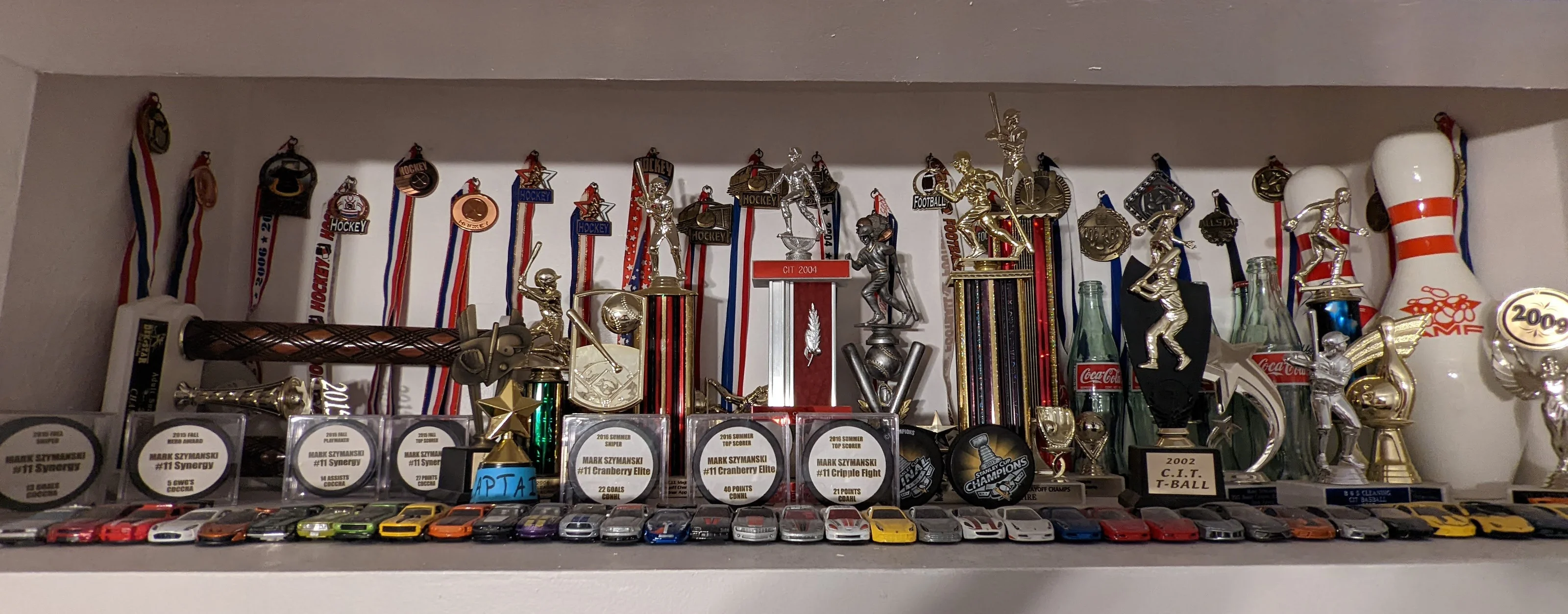
Organized sports started early. My first was T-ball in C.I.T., the local baseball league in Crafton, on fields a couple of minutes from my house. I have trophies from 2001 and 2002, so I was 5. I played baseball every summer for about 13 years after that. I was a decent middle infielder, usually second base or third base, with some shortstop and the occasional forgettable inning on the mound. I was never much of a hitter, I never hit a home run, and for most of those years I was slow. Our C.I.T. teams still won a minor league playoff title in 2005 and major league titles in 2007 and 2008. One time I got called up to play a game in an older league, they put me at third base, and I took a line drive directly to the cheek. Nothing came of it but a story. I wore number 11 on my C.I.T. jersey, years before it became my hockey number.
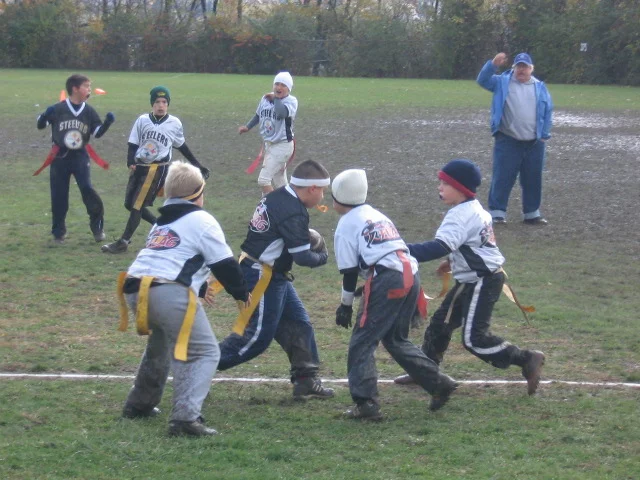
I played soccer at St. Philip for a couple of years, mostly because my friends did. I did not love it, but my dad always said that was where I actually learned to run. I played basketball for St. Philip too, for a few years, which at my height was mostly for fun. On fall Saturday mornings in 2004 and 2005, I played flag football at the Boys and Girls Club in Carnegie, usually in the mud, always in a headband and high socks. The 2005 season ended with a championship game indoors at the UPMC Sports Complex, where the Steelers practice.
The Boys and Girls Club is also where ball hockey started, earlier than I used to think. I have a hockey medal from 2006, so I was 10 at the latest, and I played in that gym for years. My sister Sara played there too, in a younger age group.
We were raised Catholic, but we were not really churchgoers. We went to Mass on the holidays, but we were the kind of Catholics who were too busy working to make it most weeks. Our church was Rea's Restaurant, my Grandma Connie's diner in Coraopolis, and on Sunday mornings that is exactly where you would find us.
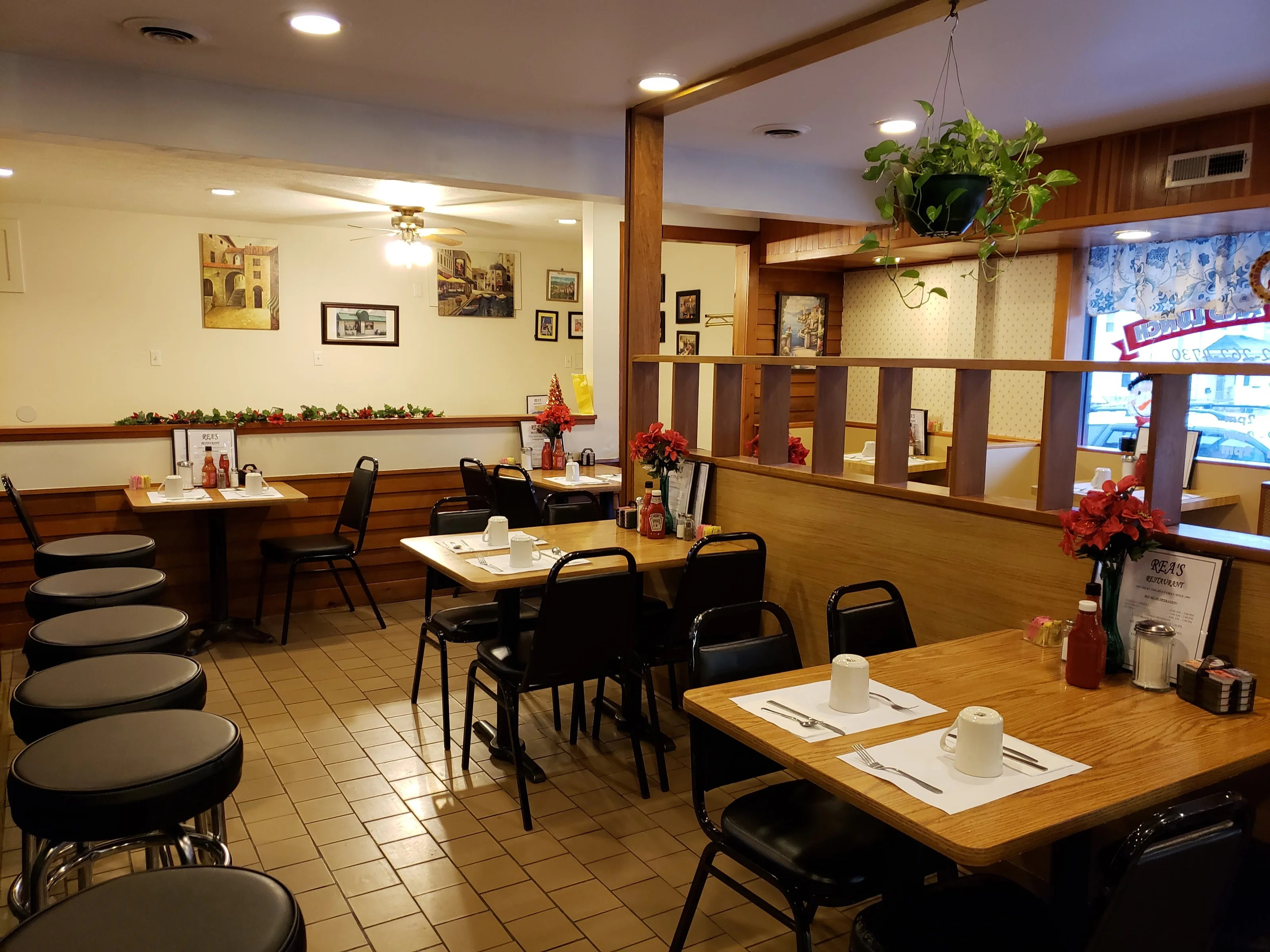
My mom ran that diner, and I basically grew up inside it. I was there in a playpen as a baby, and the second I was big enough to carry a plate I was working. It was open 6 days a week, closed Mondays, and most weekends and all summer I was down there, sometimes at 6 a.m. I started busing and setting tables, then ran the register, then ended up in the kitchen. As a kid it felt awful. Looking back, it was probably the best thing that ever happened to me. It taught me how to work, how to get up early, and how to talk to anyone who walked through the door. It also made me close with my mom, my sister, and especially my grandma. I would keep working there in one form or another for the better part of twenty years, all the way through high school and college and well past both.
2010 to 2014
High school, and what I didn't do.
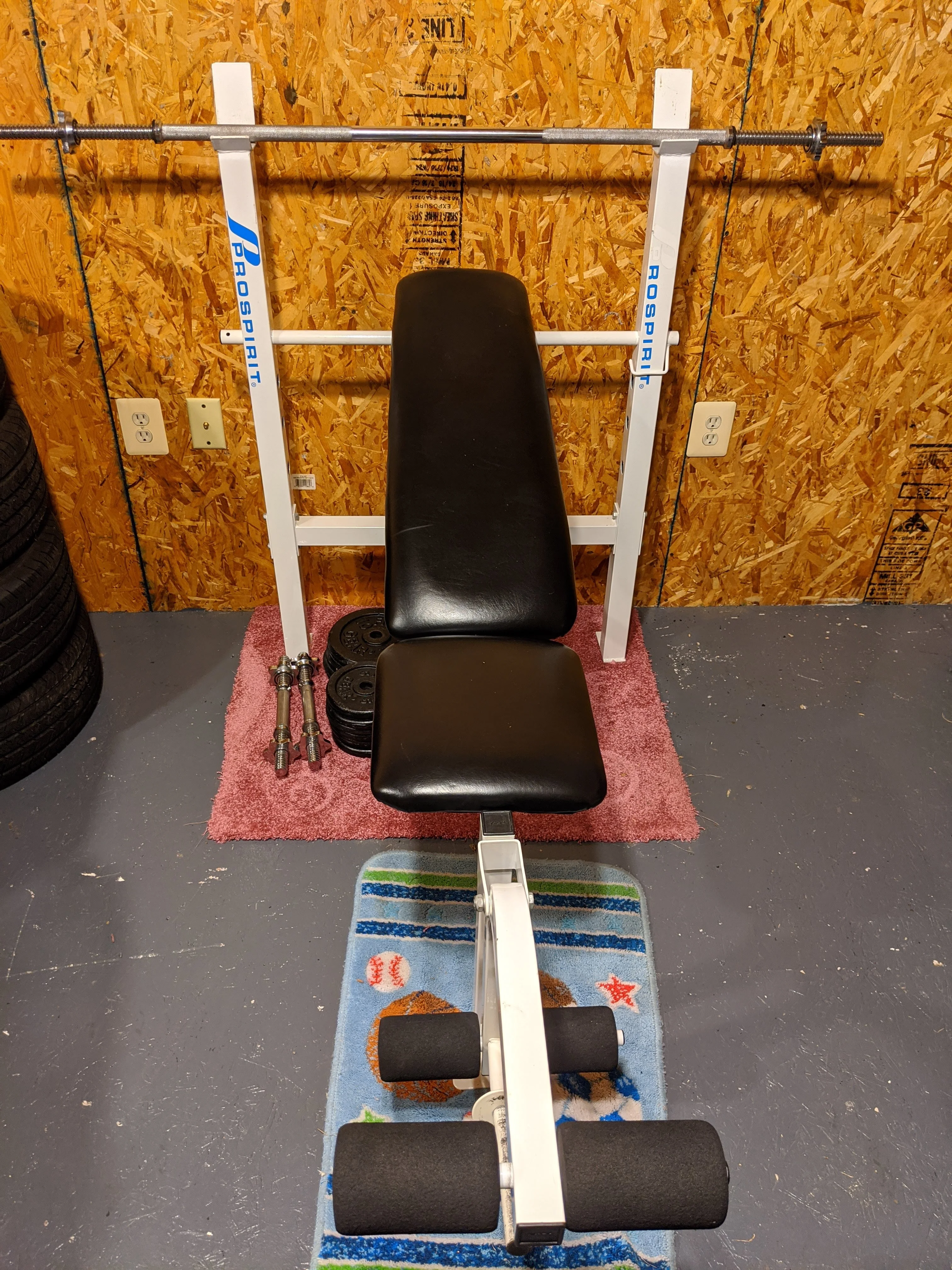
For most of my childhood I ate chicken nuggets and fries basically every day, and by the summer before high school it showed. In July 2010, I was 171 pounds and 5 foot 5, at 14 years old, and I was sick of being the short, chubby kid. So I swapped pop for water and the nuggets for grilled chicken, started lifting weights on a bench and a hundred pounds of plates I had gotten for Christmas, in a little playhouse my dad had built, and showed up to Bishop Canevin a different person. A year later, I was 153 pounds. That summer changed how I thought about food, and it largely stuck with me from then on.
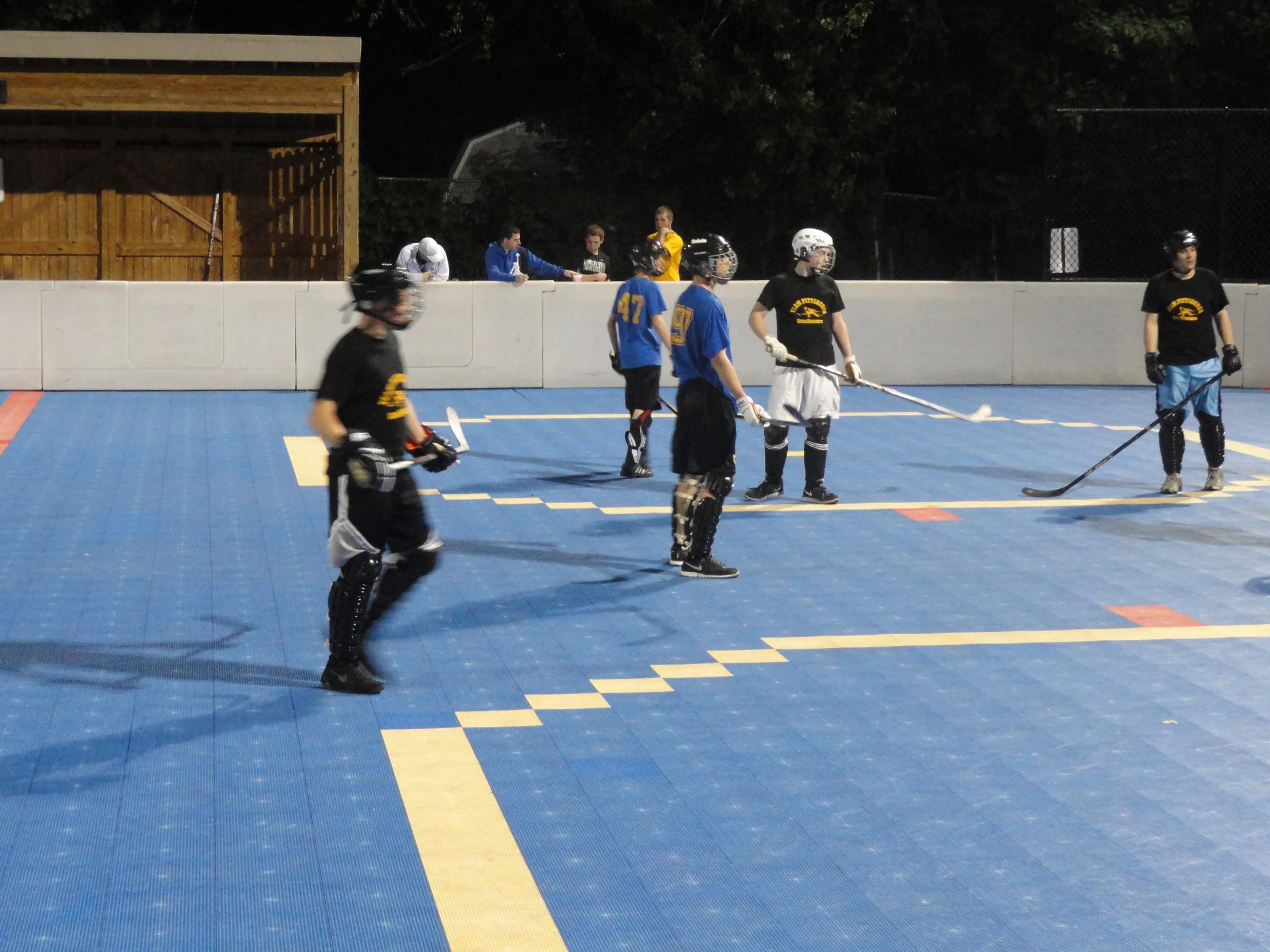
By high school, ball hockey had spiraled into more leagues and more teams, and around 2011, in my last year in the cadet division, I moved up to Team Pittsburgh, a serious program. It became the one thing that stayed constant through every era of my life after that. I loved the objective of it, running around and scoring goals, and it quietly taught me more about teamwork, communication, and leadership than any class did. Without it, I would have been a much less healthy person.
School had always come easy, and that started compounding fast in high school. A core group of us, maybe ten kids including Zach, had already been bused over to Canevin during eighth grade at St. Philip to take their math and science classes. So we walked into freshman year already a step ahead. I was in Algebra II with juniors and Chemistry with sophomores from day one. I was not the smartest one in that group, honestly I was probably on the lower end of it, but being inside a group of kids who were ahead of the curve gave me momentum I never lost. Canevin was small, around 400 kids, and because I was sitting in classes with older students I knew people across every grade and circle, not just my own. That was the first version of what I would end up doing for a living: build rapport with people quickly and easily, across ages and groups.
High school is the age when everyone starts drinking and experimenting, and that was just never me. My mom had told me not to, and somehow she said it in exactly the right way, enough to land without making me want to rebel. It was barely a peer-pressure thing because my own friend group did not do it either, so I never really had to say no. If anything I think I got a little respect for it, maybe some quiet envy. Being the kid who was not chasing that stuff while everyone else was figuring it out put me ahead in a maturity sense too, and that was part of why high school ended up shaping me more than college did.
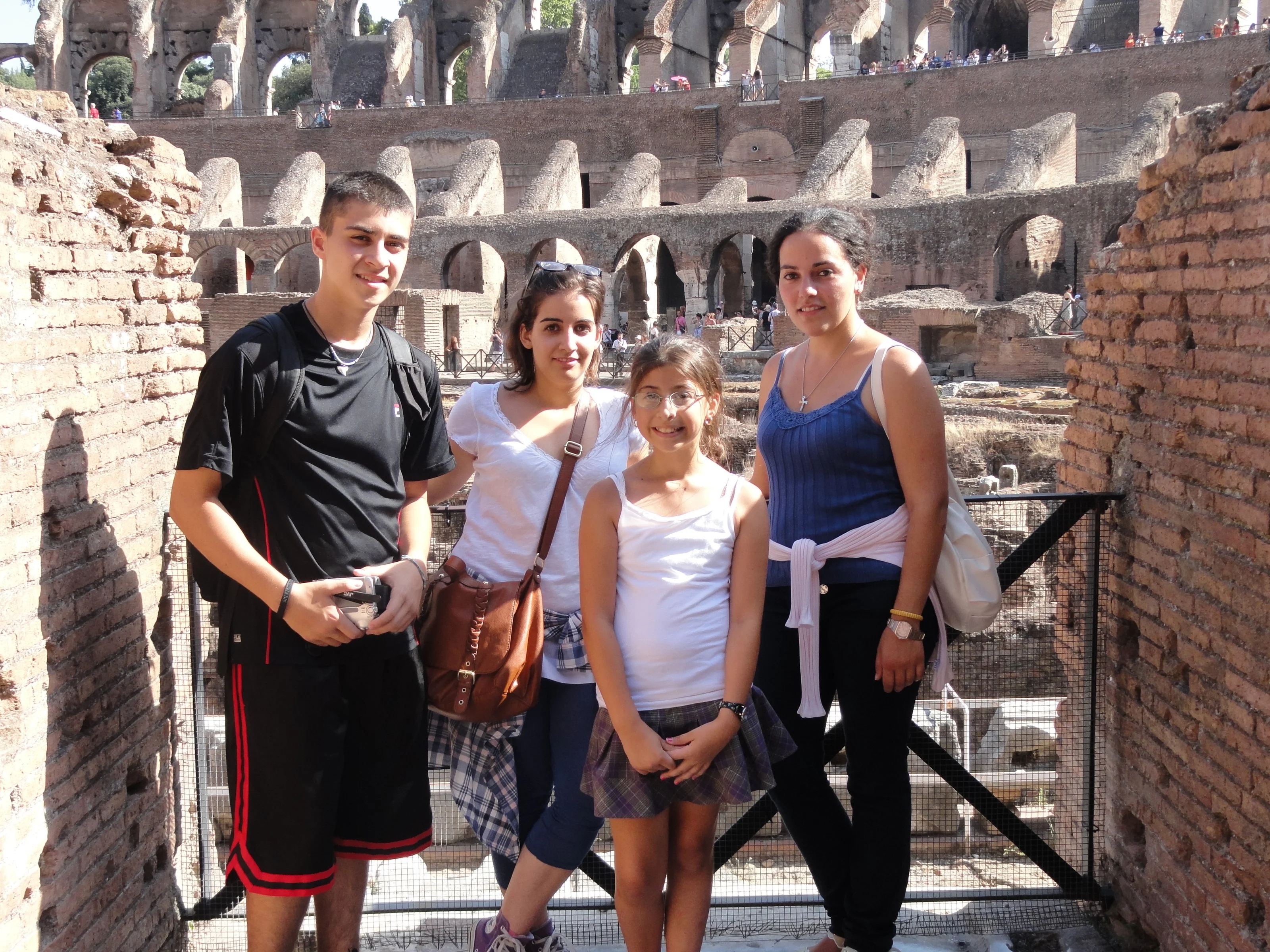
In August 2011, my family took a trip to Italy, where my mom's side is from. It was my first time on a plane and my first time out of the country.
In October 2012, I got my driver's license and my first car, a 2010 Honda Civic. Being able to drive myself to school, to Rea's, and to hockey was a bigger change than it sounds. I drove that Civic for almost 13 years before I sold it on Facebook Marketplace in 2025.
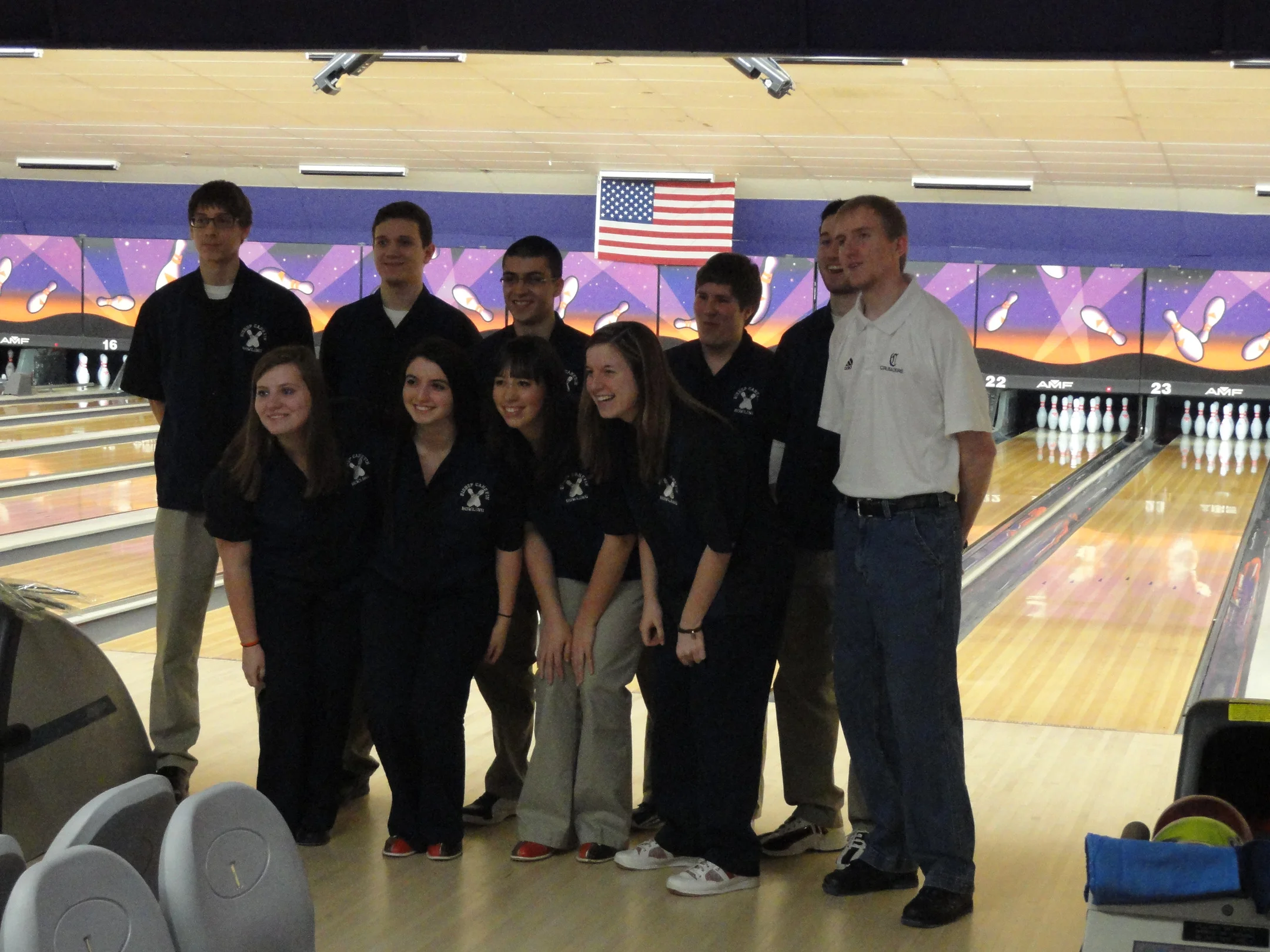
I played baseball at Canevin freshman through junior year, and somewhere along the way they moved me to the outfield. I hated it. I had to buy a bigger glove, I was not getting much playing time, and I was an infielder. So before my senior season I quit to play more ball hockey, because baseball had stopped being fun. I bowled all four years at Canevin, as co-captain my junior year and captain my senior year. I was never incredible, averaging somewhere around 180 to 190, but I loved it. I still have both of the balls I bowled with in high school, and I still like to bowl. And through all of it I was still down at Rea's most weekends, the way I had been since I was a kid.
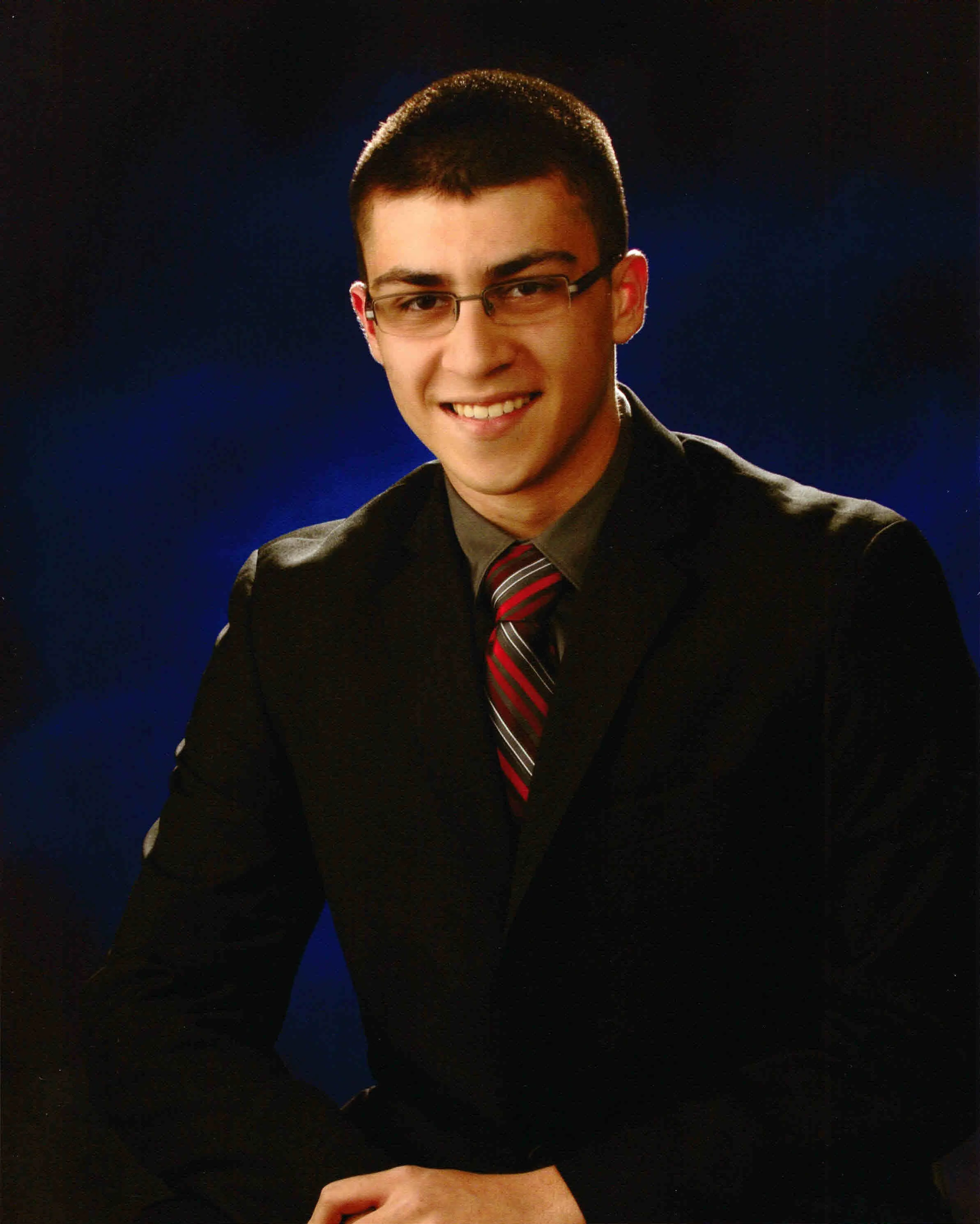
Most of high school was honestly pretty easy. I graduated 11th in my class without ever really studying, never reading the assigned books in English, running on raw intuition and the minimum effort needed to hold my trajectory. I would not even call myself disciplined back then. Zach and I were the kids up late leaving everything to the last minute, because we knew we could pull it off. I had been in gifted programs since grade school, and at Canevin I was in National Honor Society, Student Leadership Council, and the St. Ignatius Scholars program. I took a stack of AP and College-in-High-School classes, officially through the University of Pittsburgh, and the truth is those classes were graded a lot easier in a high school classroom than they would have been at Pitt itself. If I had brought the same amount of effort once I got there, I would have failed.
The other thing about high school is that I still know almost everyone from it. Small school, 12 years of overlap with people I went all the way through St. Philip and Canevin with, and most of them stayed in Pittsburgh. I see a lot of them digitally and a fair number in person. The high school friendships are the ones that took.
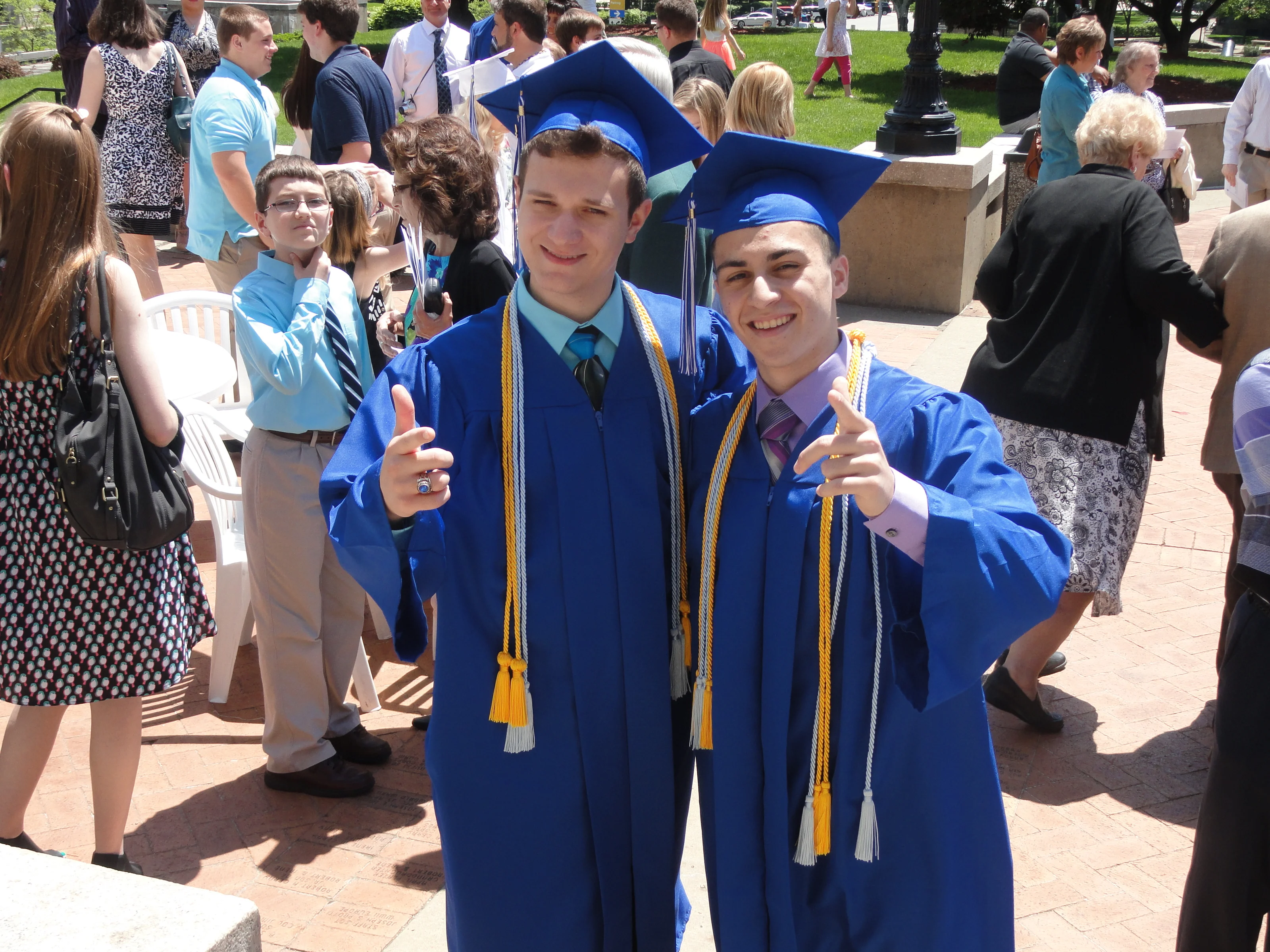
By senior year I was not picturing some big departure. Home life was good, I did not want to leave Pittsburgh, and I did not want a fat student-loan tab to pay off. I was not getting recruited for sports and my grades were good but not scholarship-good, so I went the cheap, close, sensible route. I only applied to one school, the University of Pittsburgh. Honestly, a lot of that decision was just that Zach was going there too. We had been in the same classes for years, and I wanted that to keep going. I graduated from Canevin on May 25, 2014, at Soldiers and Sailors Memorial Hall in Oakland.
2014 to 2016
I struggled through college.
I started at the University of Pittsburgh in August 2014, and it was basically an extension of high school. I commuted, 15 minutes from my parents' house, still working weekends at Rea's, and never really wanted to be there. I went into the engineering school chasing a computer engineering degree, because that is what I assumed a smart, technical kid was supposed to do. The one thing that actually stuck from that first year was a simple website I built in November 2014 in an Engineering Seminar class, plain HTML and CSS. I did not know it yet, but that was the start of everything.
The rest of it went badly. My first semester I posted a 1.234 GPA and landed on academic probation, which I had honestly forgotten about until I went back and looked. I was not a studier, I did not want to be there, and a lot of those years ended up a blur. Zach took a lot of the same classes and rode down with me every day, and he carried me through more of it than I would like to admit. I failed a couple of classes along the way, and in August 2015 I switched from computer engineering to computer science.
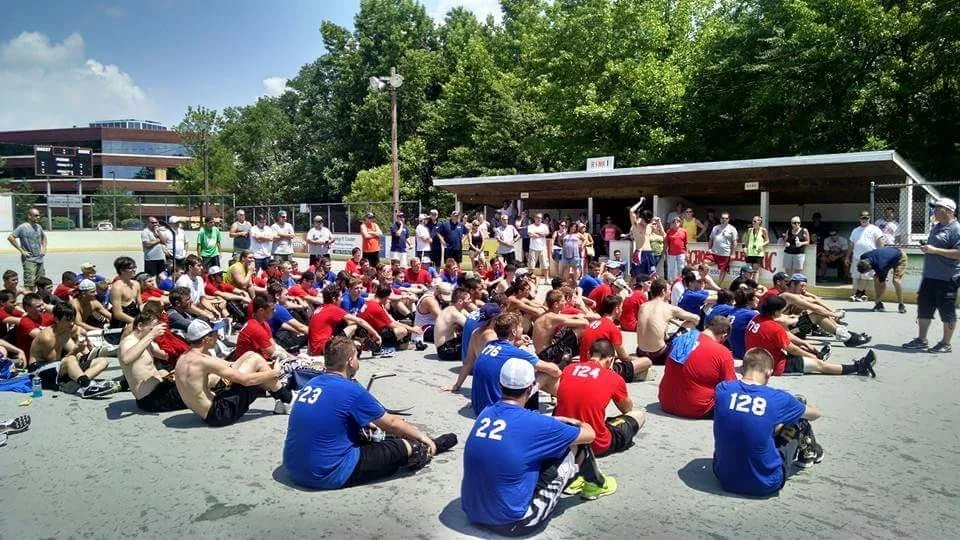
Ball hockey kept going the whole time, and 2015 was the year it found its place in my life. That July, one of my coaches, Dan Gregory, told me I should try out for the U20 USA ball hockey team, so Zach and I drove out to Marlton, New Jersey, for the tryout. Nobody there knew me, I did not play well, and I did not make it. That was the summer I accepted it was going to be a serious amateur sport for me, not a career, and I was glad it went that way.
In May 2016, I opened a Roth IRA, mostly because my mom pushed me to. Back then investing still came with minimums and fees, and I did not really put money in it for a while, but it was the first time I paid attention to any of it. That July, I started watching Maxx Chewning, and something clicked that school never did. He was building his own thing in public and documenting the whole process, and I wanted that far more than I wanted a degree. I was not a prodigy starting a channel or shipping an app in my room. I just knew, quietly and certainly, that I was going to build something of my own, and the idea would not let go.
2016 to 2017
Amanda, and my first real job.
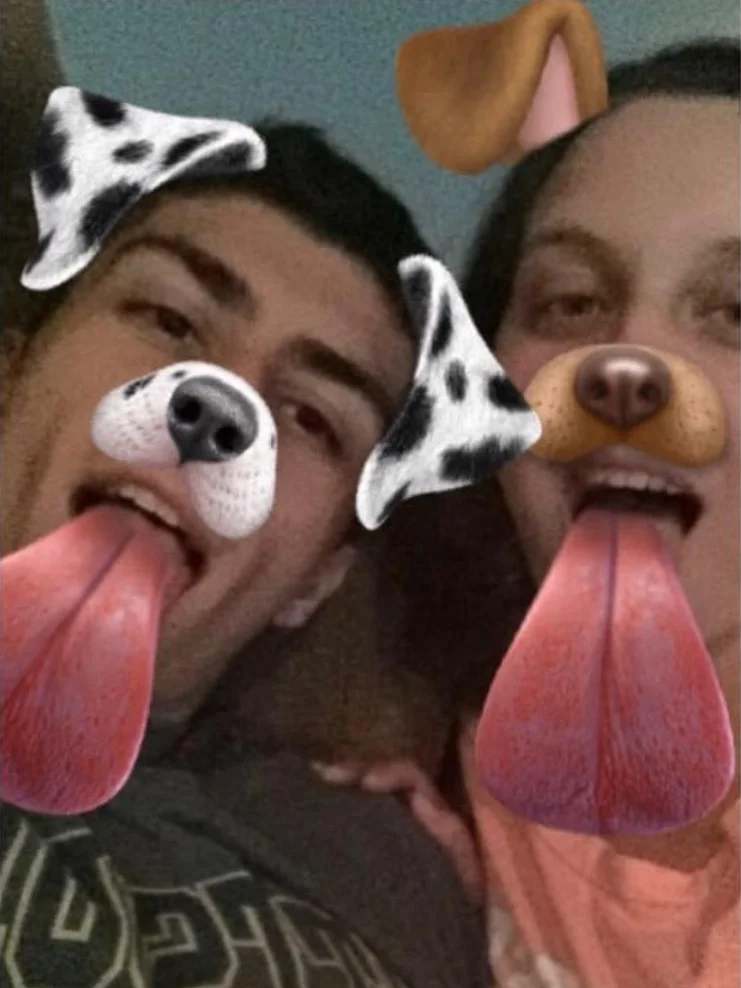
I met Amanda on August 28, 2016. Mutual friends set us up, and we were dating 11 days later. I was 20 and I was not looking for a fling, I was already looking for a wife. I had not had a serious relationship since high school and I knew what I wanted. The next person I met happened to be the most kind, caring, genuinely good person I had ever been around, and that was that. From then on, she was the center of everything.
In December 2016, I found Gary Vaynerchuk and became obsessed with business education and with documenting my life. Gary was the spark I needed for personal branding. Looking back, what he really taught me was attention and marketing, not how to run a business, and that difference ended up mattering a lot. In January 2017, I switched majors one last time, to information science. If I had just started there I could have finished in 3 years. Switching felt like a cop-out at the time, and honestly it kind of was, but it was the thing that got me out.
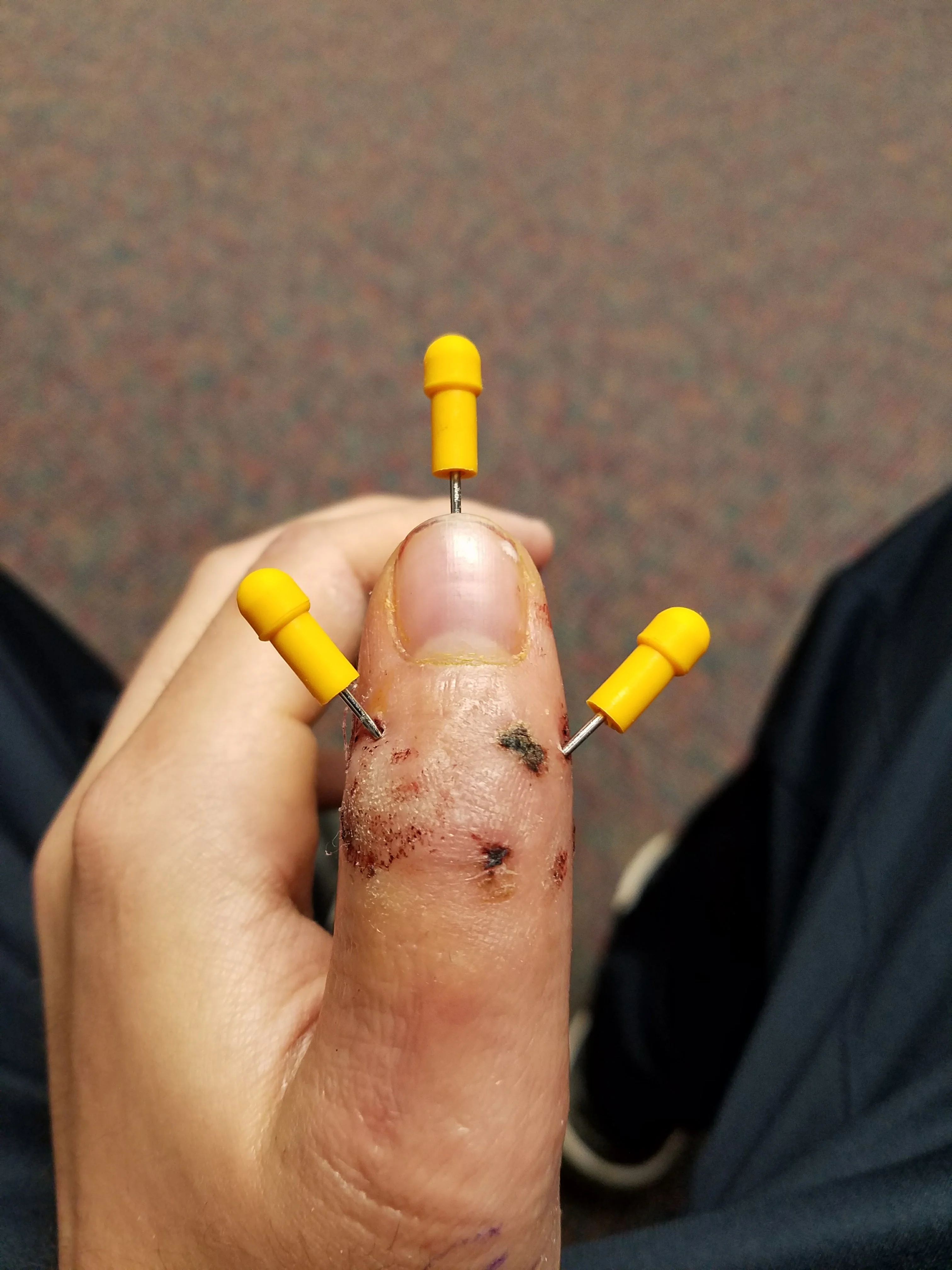
In March 2017, I broke my left thumb on a slash while I was shooting in a ball hockey game. It meant surgery and pins, and the pins came out a month later. It did not keep me off the dek for long.
That June, I found out that the grandfather I grew up with on my dad's side was not my grandfather by blood, which makes Szymanski basically an adopted name. So I am at least half Italian through my mom, but I have no idea what my biological paternal grandfather actually was. The side I grew up with does not look Italian, and my dad very much does, so for all I know I am even more Italian than I think, or something else entirely. It is not a big deal, just one of those genuinely intriguing things, and it means my name could have been something completely different.
On June 30, 2017, the summer before my senior year, I started an internship at RE/MAX Select Realty, mostly to get real experience. It ended up mattering more than the degree did. It turned out to be the only real, traditional job I ever had, and from the moment I started, my whole life was Amanda, RE/MAX Select Realty, and college, with Rea's on the weekends.
That job is also where I first met WordPress, and it is hard to overstate how much of my whole career traces back to one offhand suggestion in that office. I needed to build a website for something I was working on, and the developers sitting next to me told me to try ASP.NET. I tried, and it was awful. Then they said try WordPress. In July 2017, I bought my first domain, markjosephszymanski.com, and in August I bought cheap hosting and installed WordPress for the first time. I found Elementor not long after, and that combination cracked the whole thing open. Every WordPress-adjacent thing I have done since, the client sites, the content, the community, the agency, traces back to that conversation.
2018
Graduation, a cruise, and a name.
RE/MAX Select Realty hired me full time on April 23, 2018. Three days later, I had my last day at Pitt, with a B.S. in Information Science and a little over $26,000 in government student loans. I did not go to my own commencement.
In May, my family took a cruise, and Amanda came with us. I was 22, a month into my first full-time job, and I remember being annoyed that I was on vacation, because I wanted to be working. Not on the job, on something of my own. I was watching Gary Vee and Maxx Chewning and all these people building things, and I had not filmed a single video yet. I was right there, chomping at the bit. I had one of the only two notebooks I have ever owned as an adult with me, and I was writing down ideas for what to call my brand, something that captured me. On that ship I came up with the name Fueled By Progress. It stuck with me from then on.
That August, I launched the first version of my personal website on WordPress. It was very simple and very basic, and I could barely change anything on it. The same month I got addicted to personal finance, through Dave Ramsey, Graham Stephan, and people like them. I opened a Fidelity brokerage account, and I went to HR and had them split my paycheck before it ever reached me: some into my Roth IRA, some into the brokerage, some into savings, and the rest to me. I was living at home with almost no expenses, so it was easy to do. If I had not done that, and the rest of my life had gone the same way, I would have been in a much worse spot years later. I kept experimenting with web stuff on the side of a job that was not fulfilling me, and I did not even know there was a WordPress community yet.
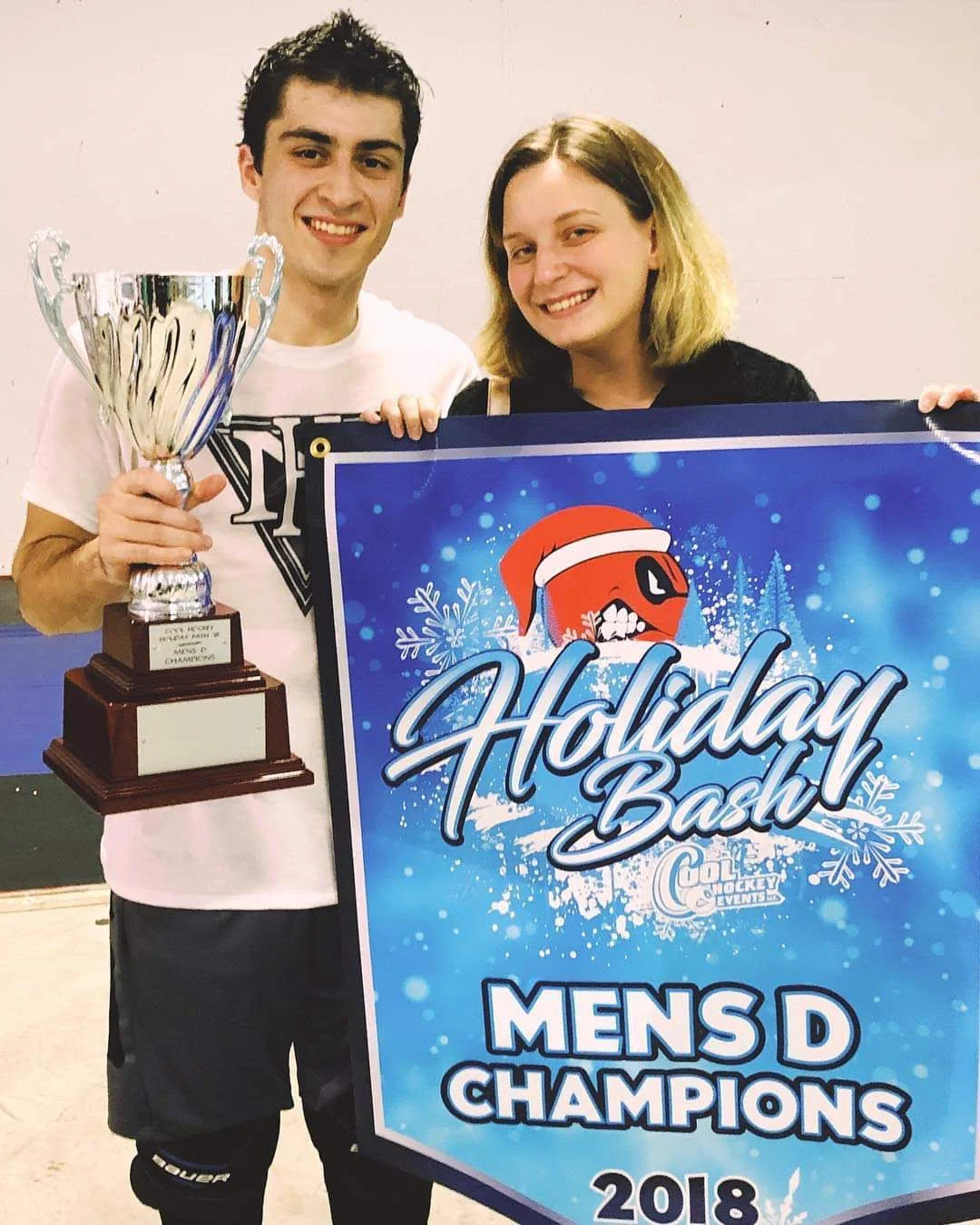
Ball hockey is huge in Pittsburgh, with deks all over the area, and it is just as big around Philadelphia and New Jersey. Through those years I traveled to tournaments all over, to Feasterville and Bensalem outside Philadelphia, to Ocean City, Maryland, and more, and Amanda came along to a lot of them in the early years of our relationship. In December 2018, my North Hills team won the Men's D division of the Holiday Bash in Bensalem.
2019
I started hating my job.
On January 20, 2019, I posted my first public YouTube video, a review of my Secrid wallet. I had a wallet, I was spending money on things, and I figured I would review it. It eventually passed 11,000 views, which was not bad for a first video.
Then I started forming companies, a lot of them. In February, I formed a holding company named after myself, which was a mistake for so many reasons: it confuses the bank, it confuses anyone who asks for your entity name, and you can never separate yourself from it. I renamed it MJS Industries that June. Also in February I formed FindIT Tech, the service company that would become Motive11. In March, Zach and I sat in the basement of his parents' house, both of us working jobs, with no money to speak of, and decided to start a real estate company. We formed the LLC for about $70 and it never got off the ground. In June, I formed Szymanski Media, and a few weeks later Fueled By Progress, because I thought it was going to be a clothing brand too.
I was too smart for my own good. I had learned how to form an LLC and get an EIN, and I was idolizing Gary Vee's whole conglomerate of companies, so I thought every idea needed its own entity. A lot of really successful people never did any of that at my age, because their goal was just to get out of wherever they grew up. That is the honest flip side of my upbringing. We were not rich, but we never had to worry about money, so I was never motivated by money. I was motivated by fulfillment, and that drove a lot of my decisions for years. None of those companies were a disaster. They were just paperwork debt, and I was paying it down for years.
The job, meanwhile, was going very well on paper. I was promoted to digital marketing strategist in March, and on March 22, 2019, I paid off the last of my student loans, less than a year after graduating. Less than two weeks later, on April 4, I wrote down that I was starting to hate working there. About a year and a half in, after climbing as fast as I had, I realized I was being worked to the bone for the amount of pull I actually had. There were quarterly events to produce and one huge annual awards ceremony, basically a full-blown ball for the agents, and the production around it ate my nights. I would be at the office until midnight with the COO building over-engineered PowerPoint presentations, figuring out how to make that software do things nobody had any business doing, all so the show would pop. It was performative and completely unnecessary. The pay was fine, around 50 or 60 grand, but the industry felt fake and the work felt hollow. It was sucking my soul dry, and I was bad at hiding that.
That job did teach me a lot, though. It taught me how to deal with a boss, how to handle a lot of very different people, and how to fix technical, marketing, and systems problems for people who were basically clients but were not mine. It also taught me how to teach. I spent a lot of time in conference rooms educating real estate agents about things they needed to do, and that was probably where the educator in me really started. What it never taught me was how to make an offer or how to sell, because the money was never my problem. That gap would follow me for years.
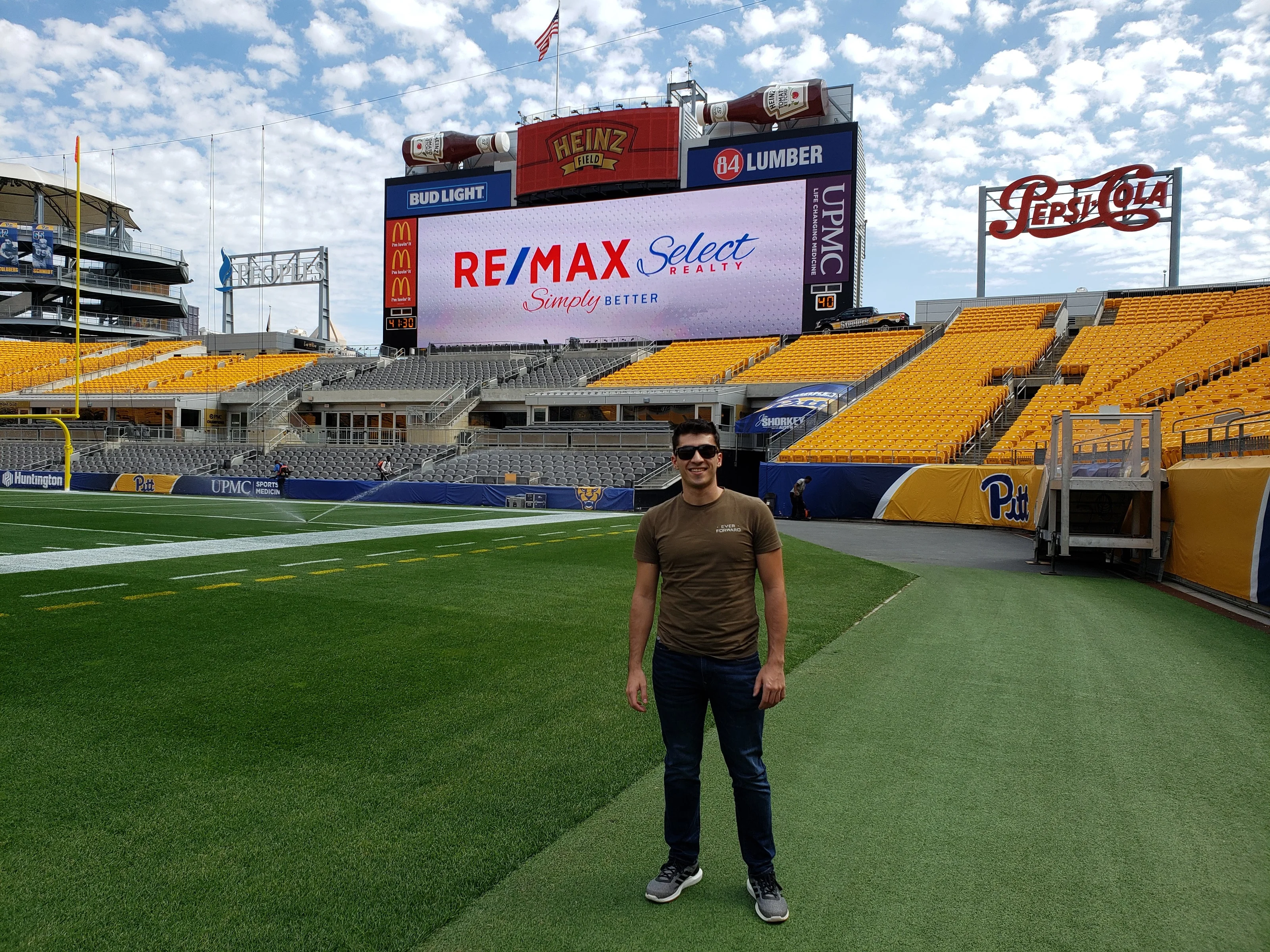
In July 2019, I had a real mindset shift and started posting on my social media accounts. I filmed dumb little videos in my car about business and social media, random tips and thoughts, anything I had learned that I thought might be worth something to somebody. If you scroll back far enough on my channel, that is where it starts. My boss noticed them on LinkedIn, and everyone at work could tell I was not happy. They promoted me to director of marketing in August anyway, which was my second promotion in about two years. A few weeks later, I was standing on the field at Heinz Field, because RE/MAX Select Realty had partnered with the Pittsburgh Steelers, which also meant a few of us got to go to a couple of games a year. From the outside, that job never looked better.
That same August, I took my first paid website project, through a referral from my aunt. A consultant she knew was leaving his company to start his own firm, and he had a whole business plan behind it: certifications, training courses, and a resource center full of white papers you had to trade your email for. He paid me $500, by check, which made him the first and last client who ever paid me that way. I did not have the skills for it and it was extremely underpriced. I did not even know what a custom post type was, so I jammed the courses, the resources, and everything else into the blog and duct-taped it together until it worked. We met at a Panera Bread to talk it through and emailed and called constantly, and what I pulled off in a short amount of time was honestly impressive.
It went live in September in a stripped-down version, and the resource center he really wanted never went back up, because a few months later he took another job. He had spent his career running businesses for other people, and in the end that was what he wanted to keep doing. I was grateful for the shot, and it led straight to the next one, which turned out to be the pattern of my whole career: almost every client I have ever had came from a referral.
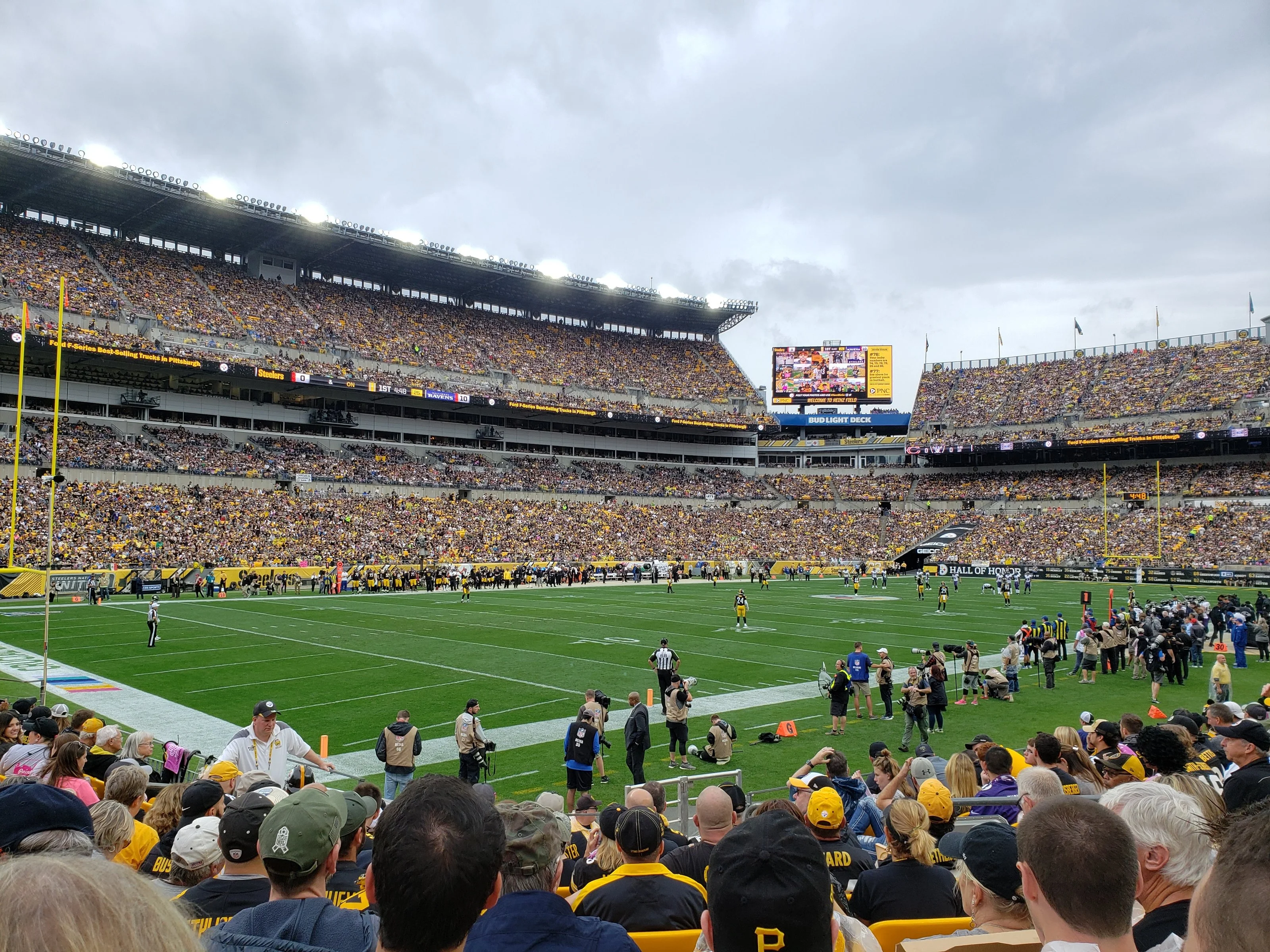
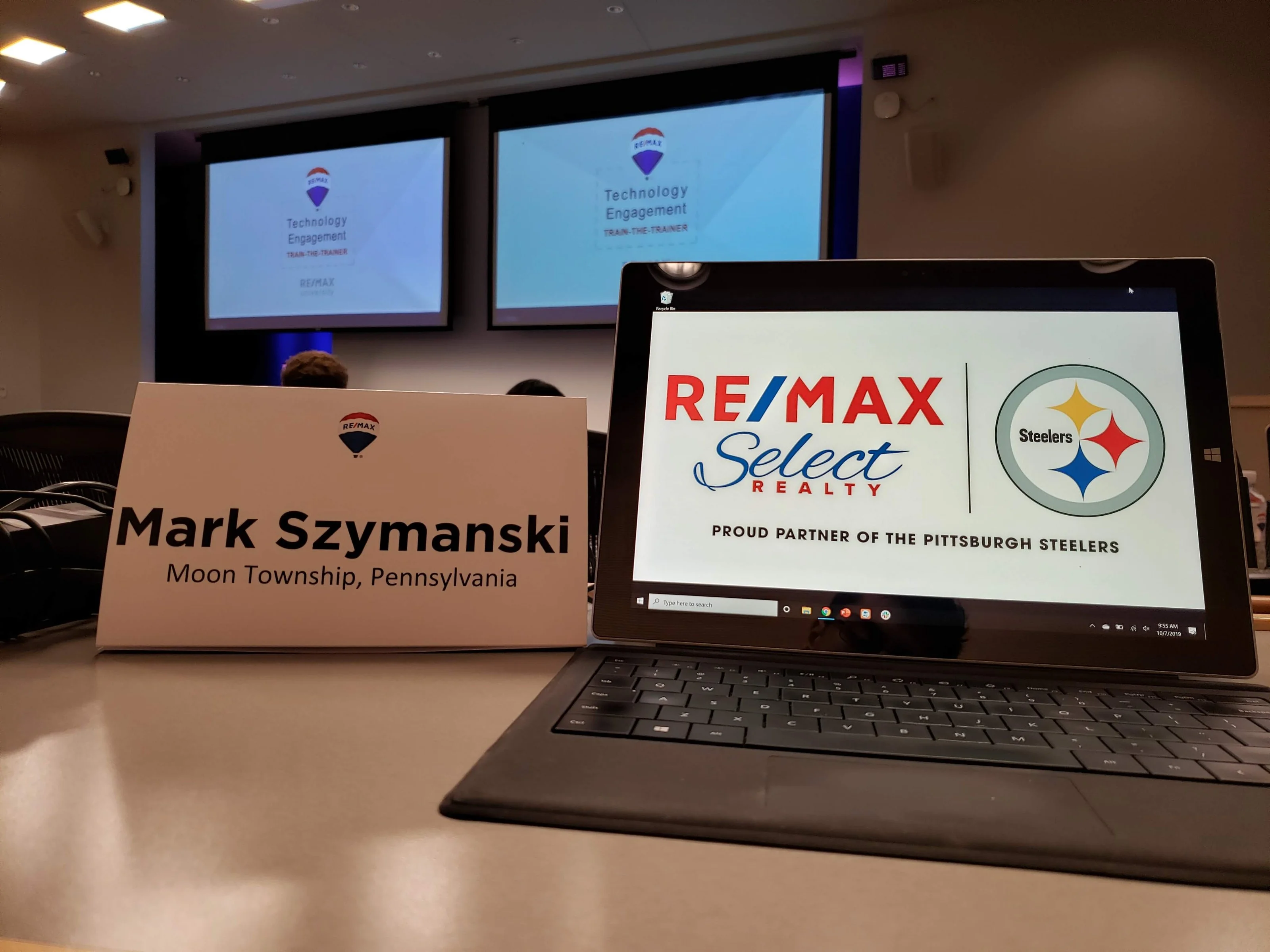
In October, I took my first real work trip, the kind with a plane. On Sunday, October 6, a group of us from the office were at Heinz Field for the Steelers and the Ravens, one of the perks of the partnership, and the COO and I left that game early and went straight to the airport. It was the game Mason Rudolph got knocked out of, and the Steelers lost in overtime, but I am pretty sure we were gone before the end. By that night we were in Denver. RE/MAX had bought a technology company called booj the year before and was rolling its new platform out to brokerages, so it flew people in from offices all over the country for what it called Train the Trainer: learn the system, then go home and teach everybody else. They flew me across the country to learn a brand-new system, and as you will see, I would not be there much longer.
If I am being completely honest, I did not want to be there. It was not just that I had started hating the job. I had hit a ceiling, I was working hard with no real upside, and I already knew I was supposed to be running something of my own. I was not in that position yet, and corporate life was simply not for me.
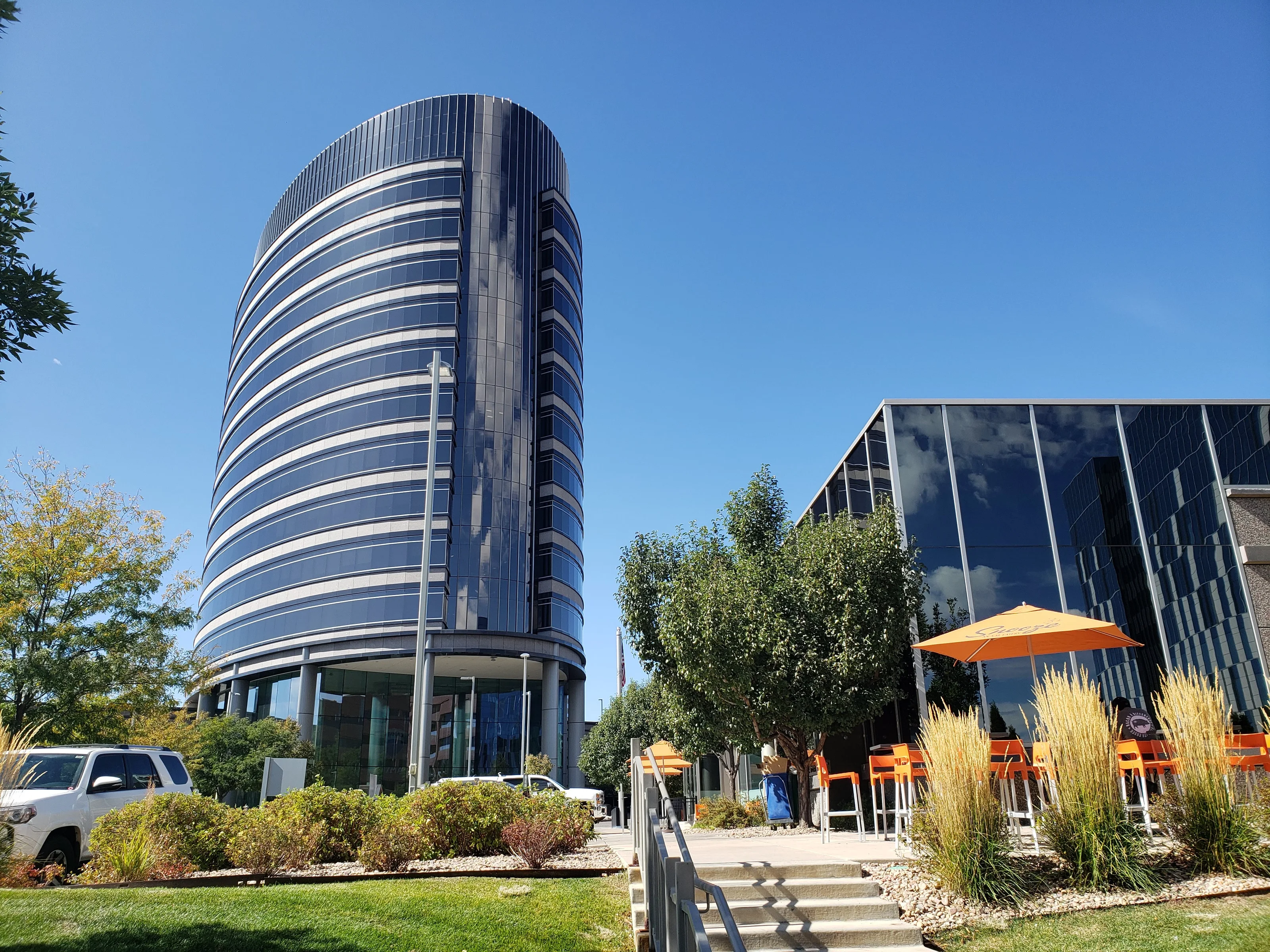
The part I loved was the nights. Everyone stayed at the same hotel, with a restaurant and bar in the lobby, and after the sessions we all ended up down there. I was the guy who did not drink and was still the life of the party, cracking jokes, instigating, and getting the whole table laughing. I had networked inside RE/MAX Select Realty plenty, but almost always at events I was working. This was the first time I really noticed how much I thrived in that environment, a lobby full of people I barely knew, building trust just by being easy to be around. Years later, I found the exact same thing in hotel lobbies at WordCamps, and I recognized it right away.
In November, I started my second client project, and it came from the consultant. She was a copywriter who ran her own consulting business, and on November 4 we signed the contract for her new website, built in WordPress with Elementor. I priced it badly, $700 for up to 14 hours of work, with hosting billed once a year, which was a dumb way to set up recurring revenue. But it became my first long-standing client, and she stayed with me for six years.
Right around then, something clicked that sounds tiny and was not. On November 1, I finally understood custom post types and custom fields, the idea that a website has a real structure underneath it instead of everything crammed into one blog. It is hard to overstate how big that was. Everything I have built since grew out of what I learned that month.
A few days later, on November 6, I released the first episode of the Fueled By Progress podcast, It Ain't That Bad, 22 minutes on how overblown the complaints about Google's new Pixel 4 were. I am pretty sure I recorded it on my phone, in my car. I was already filming short videos while I drove, but sometimes I wanted to go longer, and podcasting was big, so I figured I would just talk into my phone, no video, and keep going. The real reason was simpler. I was at a job I did not enjoy, and I needed to start talking, to work out what I actually thought and share it with somebody.
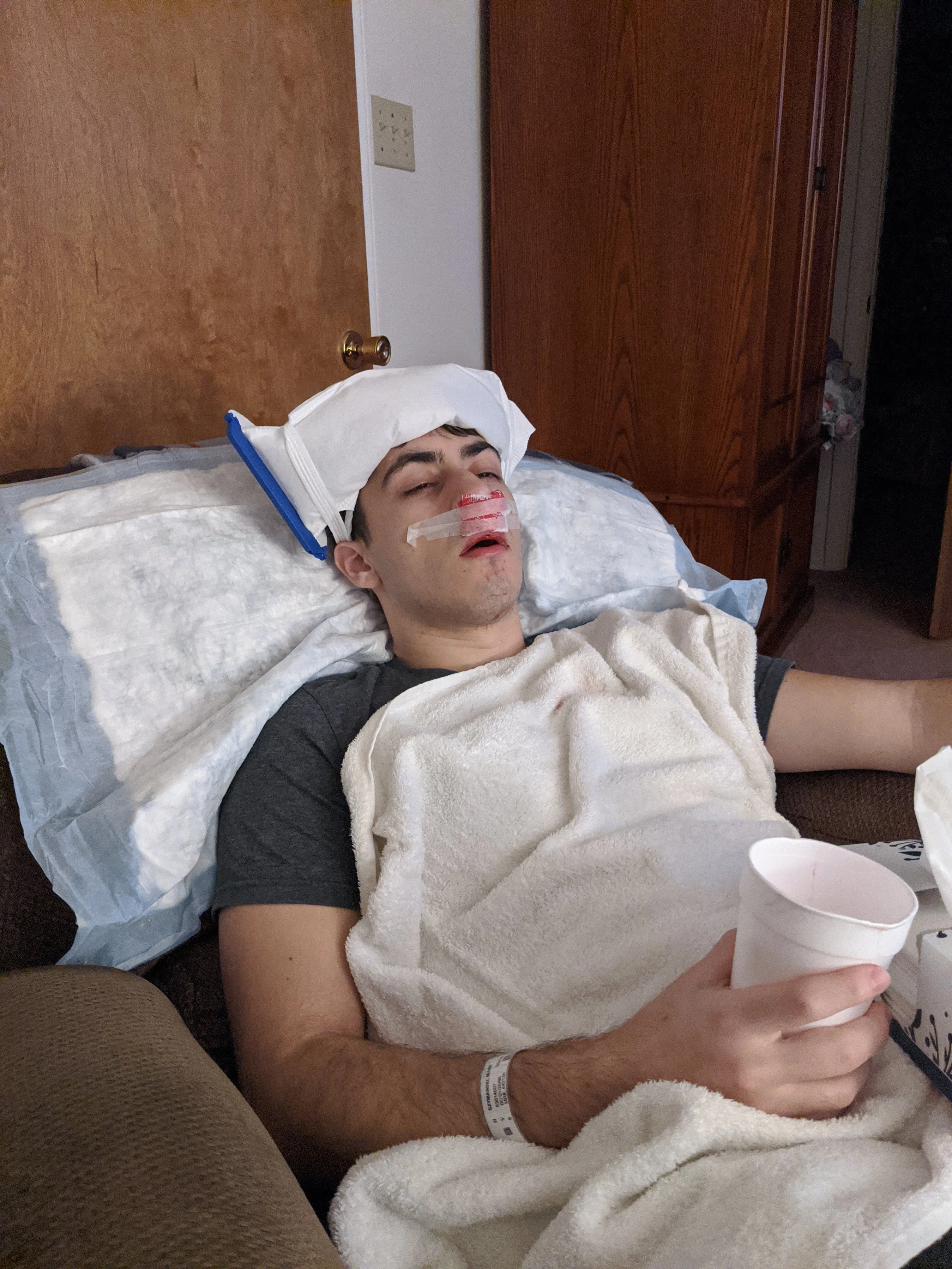
In December, I had septoplasty surgery to fix a deviated septum. It was not a bad one. The doctor said I definitely had a little something there and it could be fixed, and I had dealt with allergies and congestion before, so I did it. All I really knew was that I wanted to breathe through my nose. I went into the new year knowing exactly what I was about to do.
2020
The leap, at the best and worst possible time.
I resigned from RE/MAX Select Realty on January 31, 2020, at 24 years old. Amanda and I started a podcast together, AM In The PM, literally the next day. A few weeks later, COVID shut the whole world down. The timing was bizarre, and honestly it could not have been much better. I was still living at my parents' house with almost no expenses, so I had runway, and suddenly everyone had time on their hands. My family did not panic the way a lot of people did, and that helped.
I want to be honest about where I was when I left. I did not walk away because I was broke. I had a decent salary, savings, retirement accounts I had been funneling into, and almost no expenses because I was still at home. I left because I was dying inside, not because I was struggling. That distinction matters, because the version of going independent I lived through was not the dramatic "I had to make this work" story. It was, "I have runway, I have skills, let me try a lot of stuff and see what sticks." That comfort is what made the next few years possible. It is also probably why they stretched on as long as they did. The usual advice is to never quit your job before your business is making money, and I generally agreed with it. I did not take it, because I was young enough to get away with it.
With no paycheck coming in, I started selling things I did not need, and it turned into a whole way of living. I found minimalism around then and called myself a minimalist for a long time, but realistically I was not one, because I still owned plenty of lights and cameras and gear. What I actually became was utilitarian. If I did not need something, I sold it, and if I actually had a use for something, I bought it. A lot of people buy things because they are a good deal, or because the purchase feels like a fix for a job they hate. I was lucky to figure that out young.
In March 2020, I did my first livestream on Facebook, and in May my first one on YouTube. I went hard on livestreaming at night, talking about whatever I was working on, to basically nobody. The first ones looked terrible. But you cannot get anywhere until you start, even when everybody else's stuff looks better than yours, and I was glad I got those reps in as early as I did. AM In The PM's first episode came out that April. We recorded it in person, and we got 87 episodes deep before it ended. It was a strange way to do it, but it taught us to be completely open with each other, because we were being open in front of the world, even if the world was about five listeners.
That April, a few months after the septoplasty, I also started taping my mouth shut every night, and I still do. It is not a medical recommendation, just a habit that worked for me: if your mouth is taped, you have to breathe through your nose. I had been a mouth breather at night, and now I basically never wake up stuffed up, because my nose is actually doing its job all night instead of sitting there doing nothing. Between that and the surgery, I breathed and slept better every night after that. Take your health seriously as early as you can, because it slips a lot faster than you think.
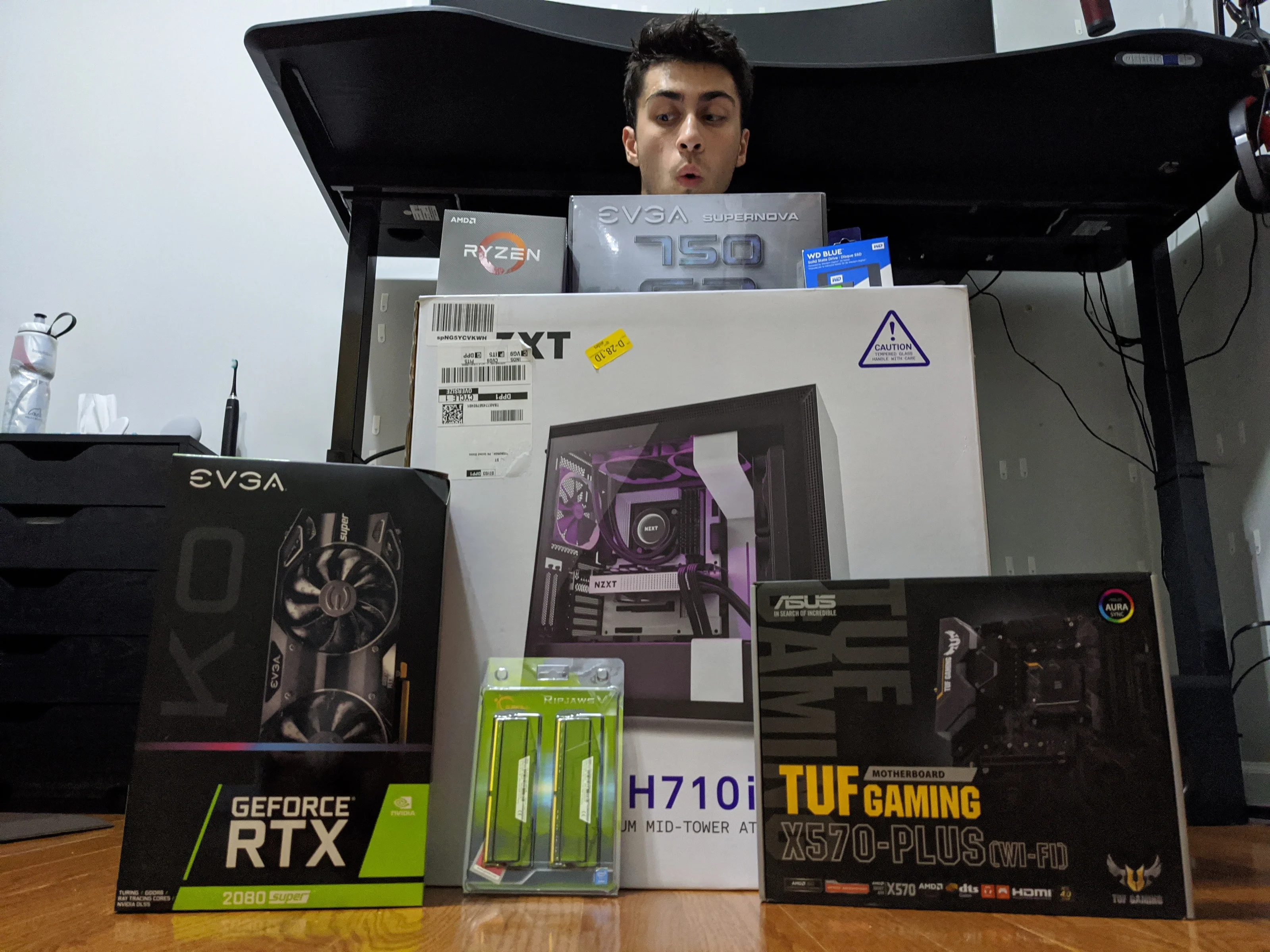
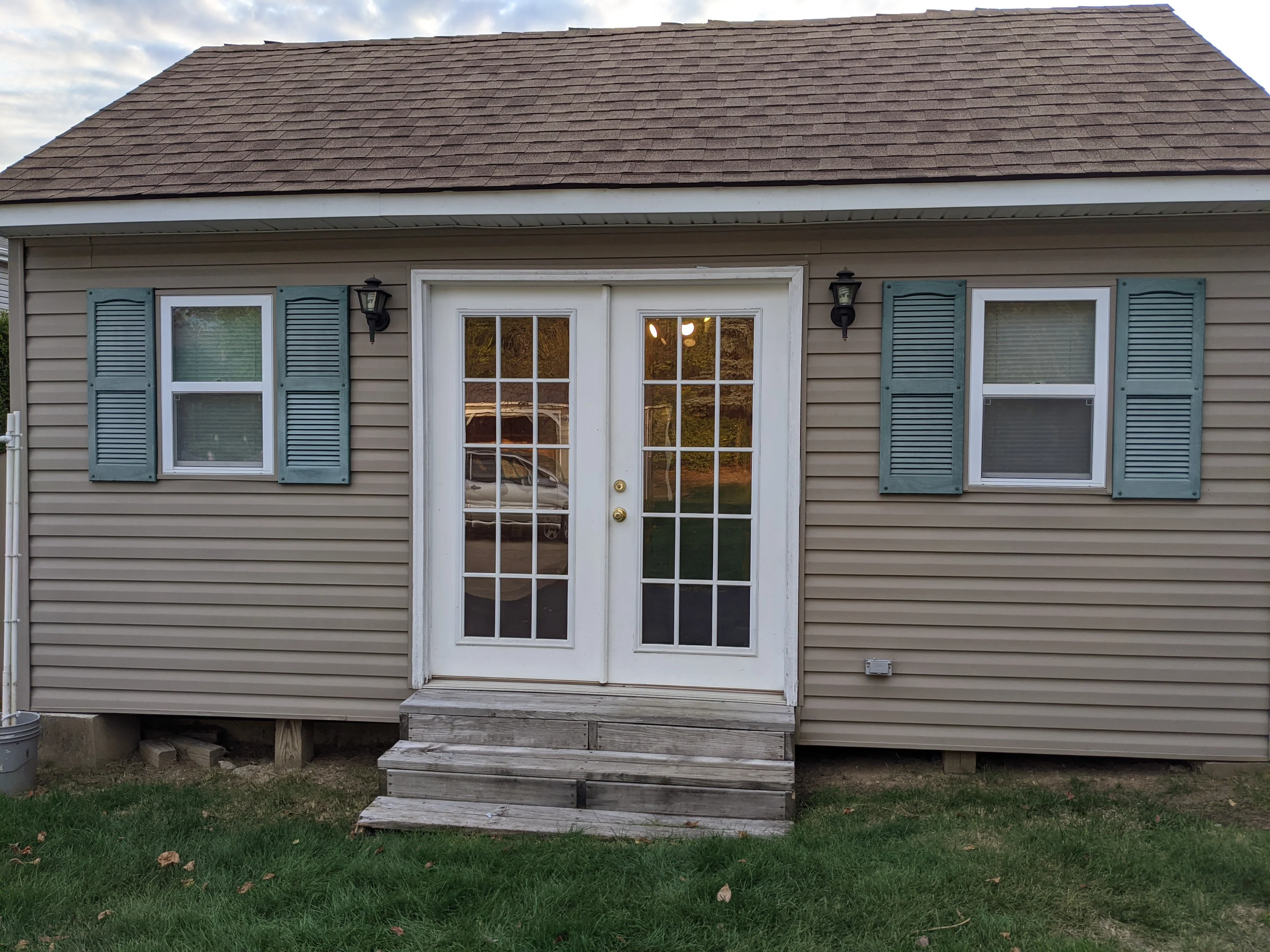
That July, Fueled By Progress started a new era with guest episodes, and that is where I caught the interviewing bug. People told me I was a great interviewer, and this was where that skill got built. That same month, I built my first PC and my first real desk setup, in the one room I had at my parents' house. In October, I moved the podcasts out of that room and into a studio shed, where guests came in to record in person.
The referrals kept chaining. The copywriter sent me an entrepreneur starting a new coaching business, and that September I proposed his website at $700 plus $19 a month for hosting. She wrote the copy and managed the project while I built it, and that is where I hit my first real friction on a job. I sent something straight to the client without running it past her first, and she was upset, fairly. It taught me something about myself that has held up ever since. I do not do well inside somebody else's team. I am not built to take orders, and I do my best work when the calls are mine to make.
Here is the funny part of that year. I had a handful of clients paying me very little, and I was running the back office like a company doing a million dollars a year. I had the LLC, the EIN, a business bank account, business credit cards, and QuickBooks, and I was doing my own bookkeeping every month before there was much to keep. Then I tried QuickBooks' recurring invoices, and getting a client's card on file took far too many steps. So that November I built my own client portal, on WordPress with Elementor, WooCommerce Subscriptions, and the Intuit payment gateway, because I wanted to stay inside QuickBooks instead of just using Stripe like a normal person. Clients could log in and see their projects, their subscriptions, and their invoices, and on November 25, 2020, it took its first order.
In reality, almost nobody used anything but the billing. Asking a client to set up a login and learn a new place is a bigger ask than it sounds, and I never pushed it hard enough. But I have always been an operations guy. I love setting up the process and making it run smoothly, and I built that portal mostly because I wanted it to exist. Funny enough, I was not an automation guy back then. I knew Zapier was out there, and I even used it for one piece of the portal, but nearly everything I did had some corner case that would have broken anything I automated, so I never leaned in. That changed completely once AI showed up, but more on that later.
2021
Trying everything.
So I tried everything. I had Fueled By Progress running as a long-form podcast, with guests coming into that shed to record. Amanda and I had AM In The PM going at the same time. I attempted a Fueled By Progress apparel and community angle. I spun up the real estate thing with Zach that never went anywhere. I read everything I could find on personal finance, business, and content. It was the cliched "try things in your 20s" decade, and I actually did it.
The real lesson of these years is about stability. If you stay consistent at something long enough, you eventually get a moment where a little risk pays off big, almost like a reward for being in the game. But you only get to take those swings if you have built up enough stability to afford them, enough money, time, and energy. Years later, I would meet people even more scattered than I was, jumping to the next thing the second the last one did not work right away. At least I eventually looked at my diagram of companies and said, this cannot get any crazier. After that I only whittled it down.
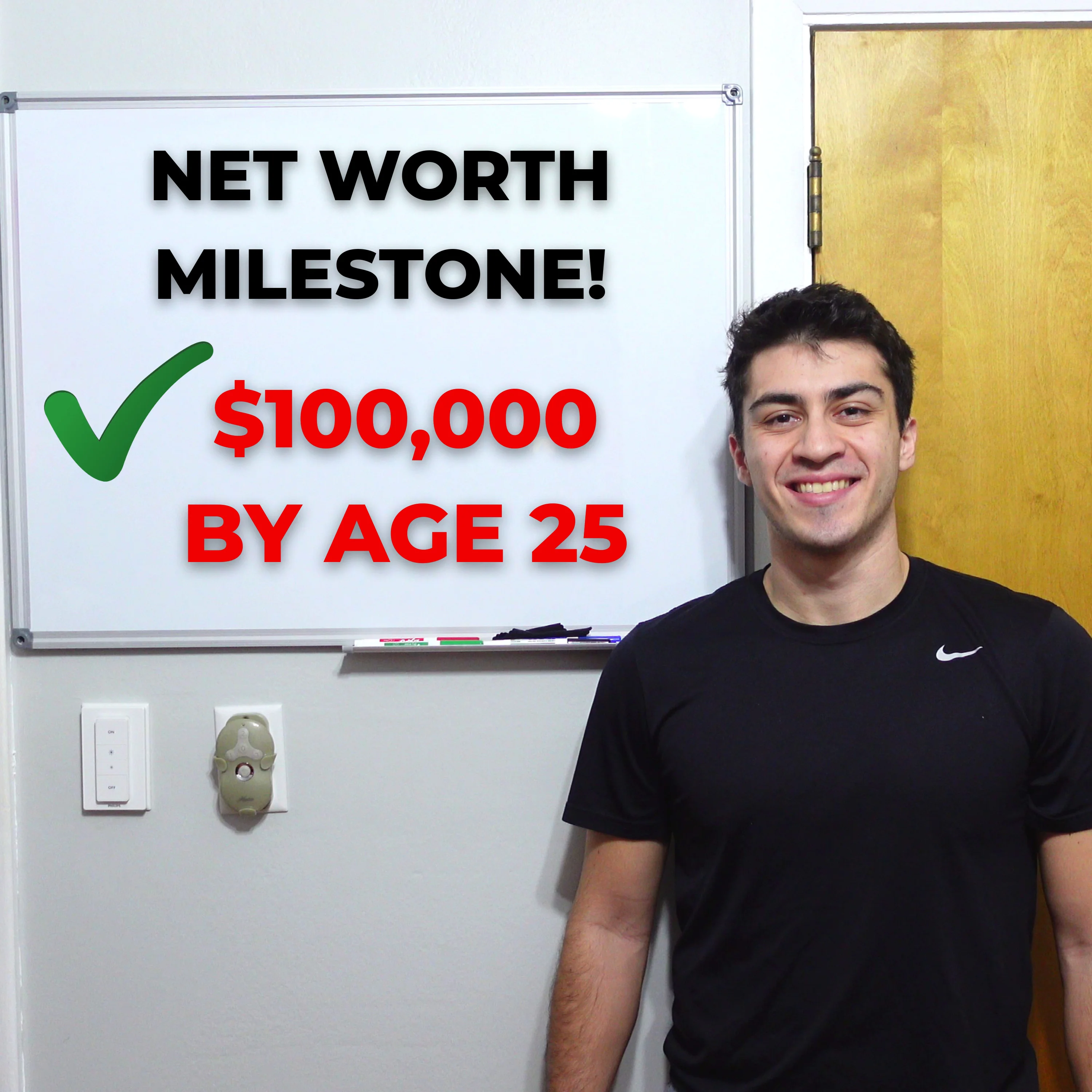
In January 2021, just before I turned 25, my net worth crossed $100,000, which was mostly the payoff of those boring paycheck splits at RE/MAX Select Realty. Honestly, it did not go up much in the years after. That same month, I went deep on crypto. In March, I pulled most of my brokerage account and everything in Robinhood, about $20,000, and put almost all of it into crypto. I was trying to learn it fast and get in fast, so I spread money across a handful of smaller coins, and that August I even bought a Helium mining rig. I tracked all of it carefully and I still do not think I made money on any of it. Crypto is not a scam, but what I was doing was not a good use of my time or my energy. The real lesson was simpler: I already had a good amount of Bitcoin, and I should have just held it.
Underneath the experiments, my actual paid work was FindIT Tech, building websites for clients, and nearly all of it still came by referral. In May, I joined the board of a small nonprofit and took over its website. They were genuinely nice people, but for most of the room it was a hobby, never a serious effort, and I stayed until March 2023 before I admitted that I need to be around people with real drive. In September, I started working with two guys who ran a merch business, building small sites and odd projects for them, back and forth for years, for very little money. In October, I took on a local roller rink, and its site was one of the biggest I had built at that point, with plenty of problems I had to figure out as I went.
I had real clients and I did real work for them, but the gap between how much I was learning and how much I was earning never really closed. I built a lot of skill and not nearly enough business.
That spring, I joined the National Ball Hockey League with the Pittsburgh Pioneers, a forward, shooting left, wearing number 11.
That September, I went back to Marlton, New Jersey, for the first ever Mylec Cup with the Pioneers. We made it to the championship game and lost to Penn Hills Imperium.
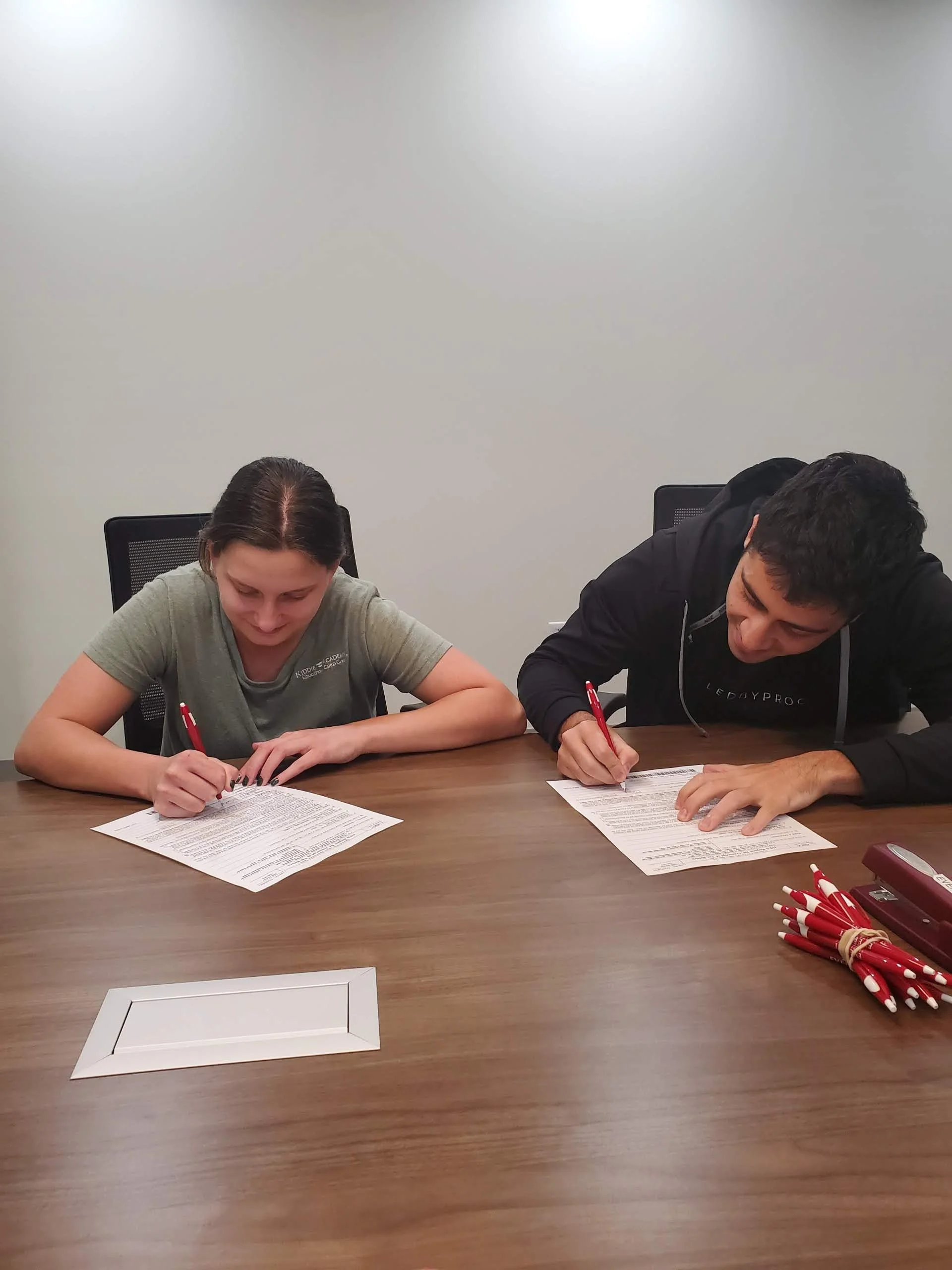
On September 30, 2021, Amanda and I closed on our first home, her childhood house. Her parents were moving and needed to sell, we needed a place, and they gave us a real deal on it, a good price and a low mortgage to start our life on. It meant a lot to her to stay in the house she grew up in instead of starting over somewhere new. It probably meant just as much to our cat, Minnie, who was old enough by then that not having to learn a new house was a real kindness. The timing was serendipitous, and I always appreciated it.
2022
Our first home.
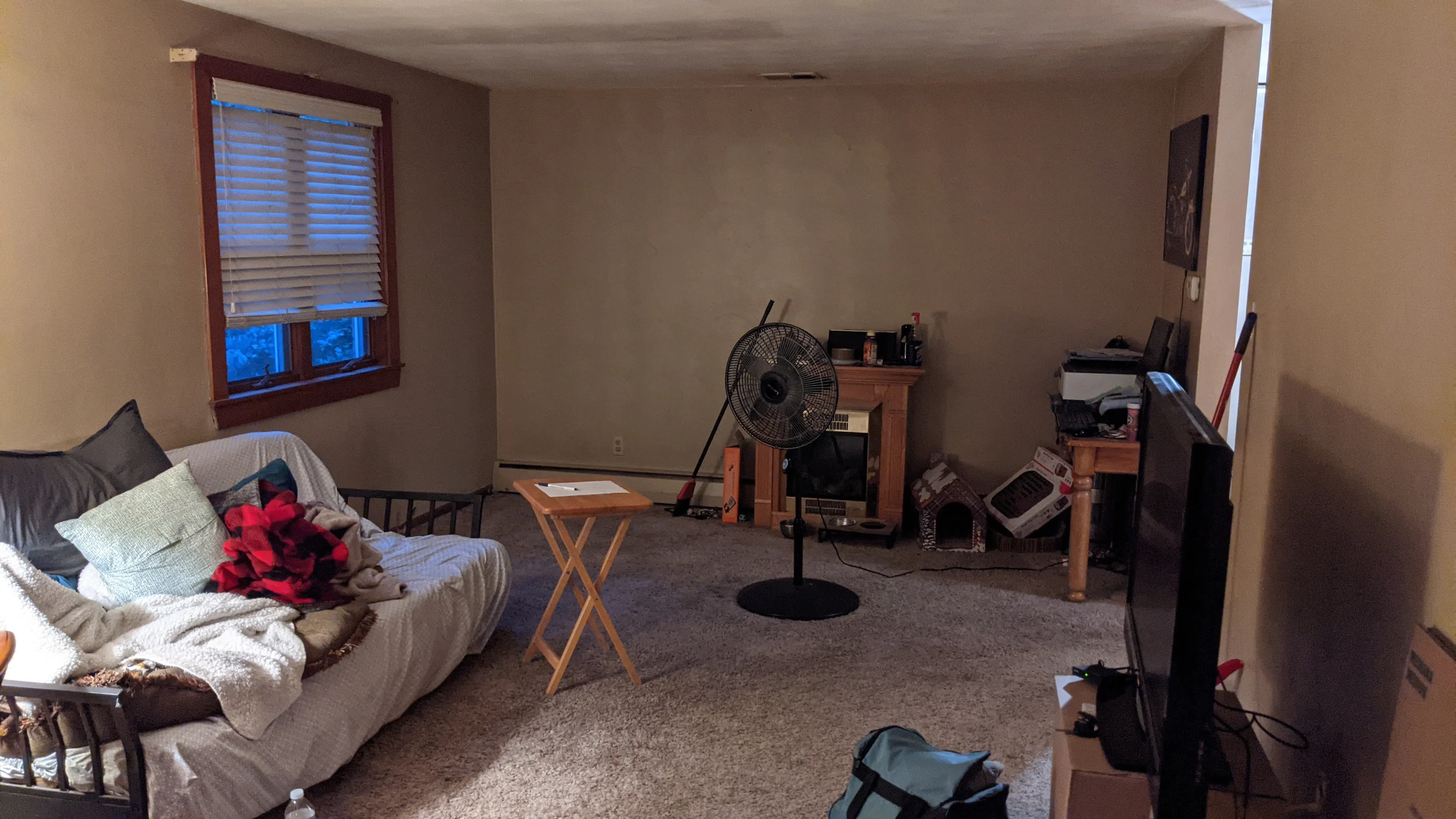
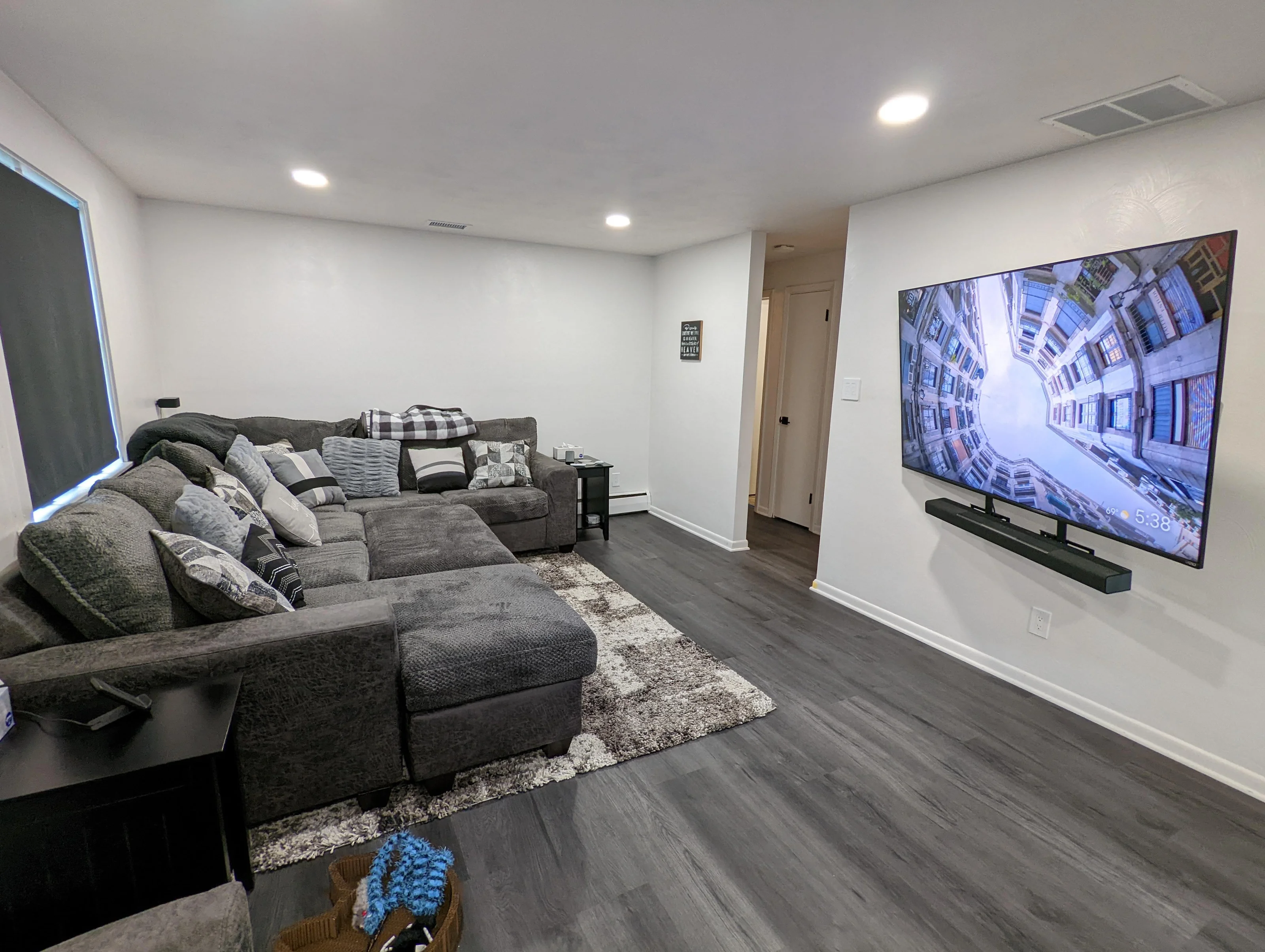
It had the same bones, but we made it ours. I spent months gutting and rebuilding the place, inside and out, and filmed the entire thing as a 67-episode YouTube series called Our First Home. Demo, painting every wall and ceiling, laying luxury vinyl plank through most of it, electrical and overhead lighting, running the network, tearing out an old in-wall AC unit, taking down trees in the yard, redoing the basement, and building out a room to record in. I was not secretly a contractor. I just watched a lot of YouTube and was not afraid to try, and my dad, who has been in the trades his whole life, helped me through the hard parts. On January 16, 2022, I officially moved out of my parents' house, and I had turned into a proper homeowner.
It was rewarding and I was proud of it, and I never wanted to do it again. That was the honest version. What I really wanted was to be in a place where I did not have to. If I wanted to do the work myself I could, but I could also pay someone. I was not in that place then. When we redid the backyard at the end of 2022, we paid people to do it, and it turned out fantastic.
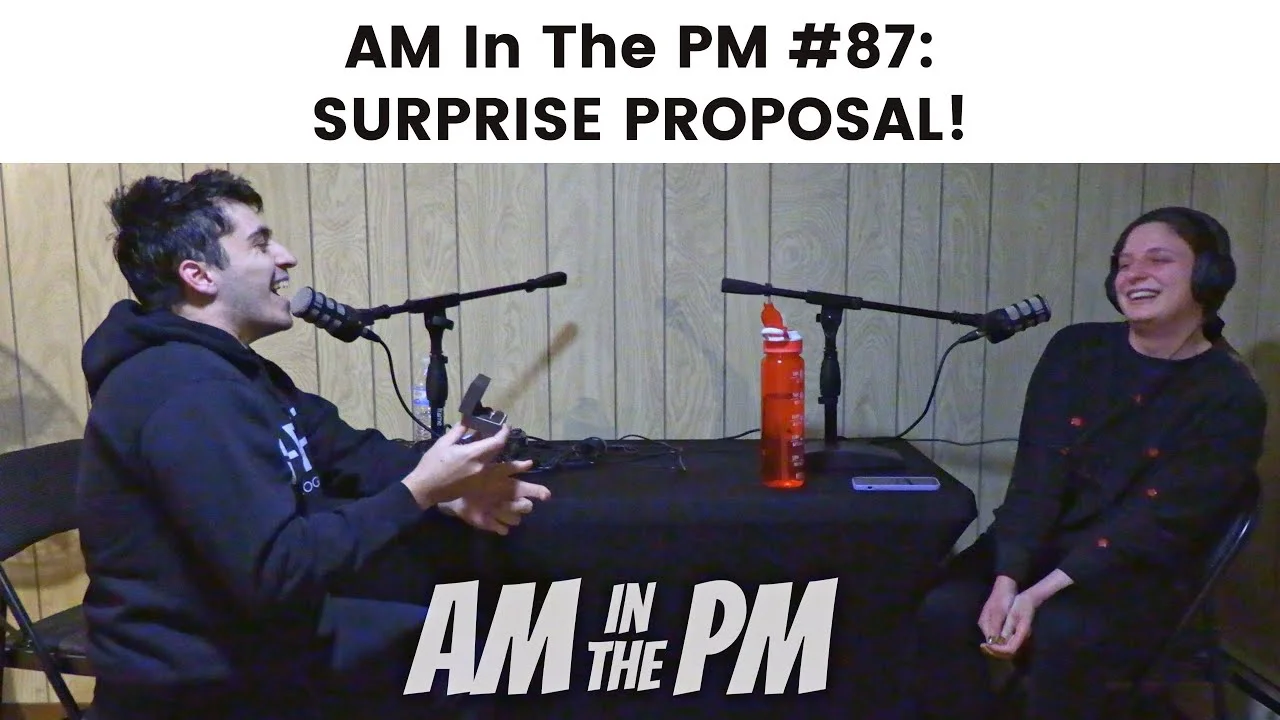
It is also where, on March 4, 2022, I proposed to Amanda. We were filming an episode of AM In The PM in the room that later became my studio, paneling on the walls and carpet on the floor, and I figured it was a good way to capture the moment. It was a weird proposal. The ring did not even fit, because she had sized it wrong, and she had no idea it was coming. That turned out to be the last episode we ever filmed. We did not plan it that way, we just never recorded another one. Things end, projects and businesses and even some relationships, and most of what you do is probably not going to be forever. That one ended with the best thing I ever did.
That fall, I played my first full 18 holes of golf, and it stuck. From then on, between ball hockey and golf, I always had something that got me moving and outside, and I would have been a much less healthy person without them. In October, I also sold just about all of my crypto, which closed that chapter.
The client side grew up that year, and it started with one company. In February 2022, I sent a proposal to a financial advisory firm to clean up and secure their existing website, and by May they were paying me every month. That July, the same founder came back with something much bigger: Wealth Advisor Training, a full membership platform for training financial advisors. Courses, a video library, a resource library, a members directory, a podcast, subscriptions, team accounts, and an e-signed training agreement, all behind a login. I built the whole thing in WordPress, and I quoted it at $500 a month for the build, the hosting, the maintenance, and publishing their content, with no separate build fee at all. For what that platform was, that was absurdly underpriced.
It was hurdle after hurdle. WordPress was never meant to do half of what that platform did, and I fought it tooth and nail on every piece. The biggest wall was a nested loop I could not build in Elementor no matter what I tried, so I posted about it on Reddit. A guy who also ran a YouTube channel replied that his team used JetEngine and it worked really well for them. I never got to talk to him much, and I have always been grateful to him. In August 2022, I started using Crocoblock and JetEngine, and it changed the trajectory of my whole career. I stopped thinking in brochure websites and started thinking in data: structures, relationships, and something a lot closer to real web applications. If I had not taken that project, I never would have found JetEngine, and I would not be the builder I am today.
It also gave me a kind of confidence I did not have before. Every time I hit a wall, I found a way through it, with a better structure, the right plugin, or a snippet of custom code, usually without having all the information when I started. I see a lot of gatekeeping in my industry now, people insisting you cannot charge for this, you cannot use AI for that, you do not know enough yet. Some of it comes from a real place, and most of it is noise. Nobody hands you permission to solve a problem. You just solve it, and that platform is where I learned that.
It brought the next wave of referrals, too. Beth Vietmeier, who was involved in Wealth Advisor Training, brought me in on her own work, and that July I took over the websites for her company, Valiant 3 Communications, and for The Jerome Bettis Bus Stops Here Foundation. Both lived on Webflow, and I rebuilt them in WordPress by hand, page by page. That fall came the Blue and Gold Classic, the foundation's golf outing site, and another site that never fully launched. Getting several projects through one relationship was new for me, and those became some of the longest and most valuable client relationships I have ever had, builds followed by years of maintenance.
In December 2022, I went back to Reddit with another problem I was stuck on, and that is how I met a developer named Joshua Eastman, who basically mentored me through it. Up to that point I had not built many relationships online. There was so much foreshadowing in that, because the next few years of my life would be built almost entirely on people like him being willing to help.
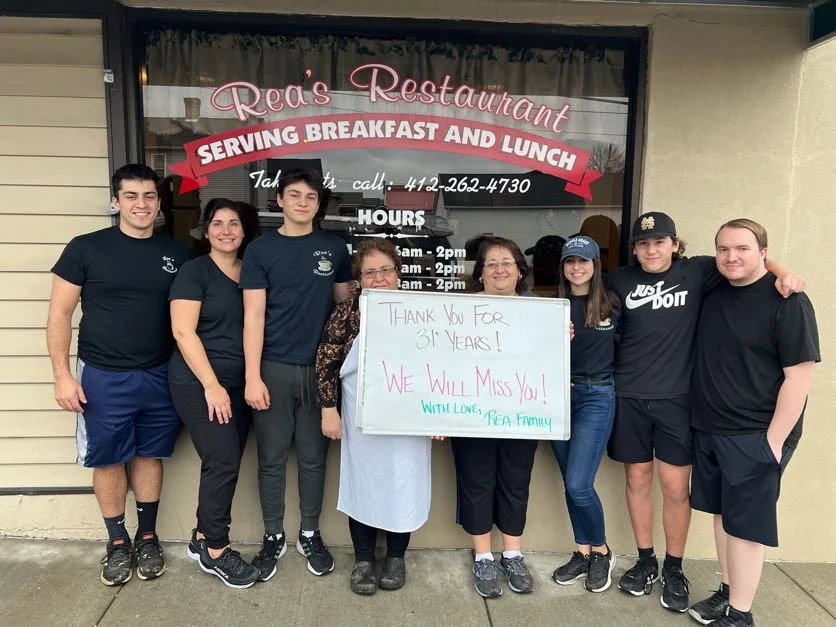
On December 31, 2022, I worked my last shift at Rea's, and the sale closed a few weeks later. I had been there since I was a kid, and honestly I was happy when we sold it. Everyone was getting older and moving on, and it was simply the right time. Working with family is incredibly hard, and I do not think it could have gone on much longer without costing us something. I hated getting the call on a weekday morning asking if I could come in. But that diner strengthened my relationship with my mom, my sister, and my grandma in ways nothing else could have, and it gave me a question I kept asking myself for years after: what is the alternative? When I did not feel like doing something that would make me money for myself, I remembered that the alternative was a Saturday at 11 a.m. at Rea's. Being who I am, I filmed a surprise 90-minute retrospective on the whole thing and put it on my channel.
2023
Married.
In January 2023, I joined a Pittsburgh mastermind and stayed for most of the year. It helped me think, but what it really taught me was that I was more of an advice giver than an advice taker. I kept giving the other members good advice, and I realized I should be the one starting groups like that, not just joining them. I knew it then and I still struggled with it for a long time afterward. Later that year, I joined a creator guild for video content, which taught me something similar from the other side. I did not need more education. I needed to do more, because you learn by doing, not by consuming.
On June 15, 2023, I hit 10,000 days without alcohol. I had never had a drink in my life, and that number kept running.
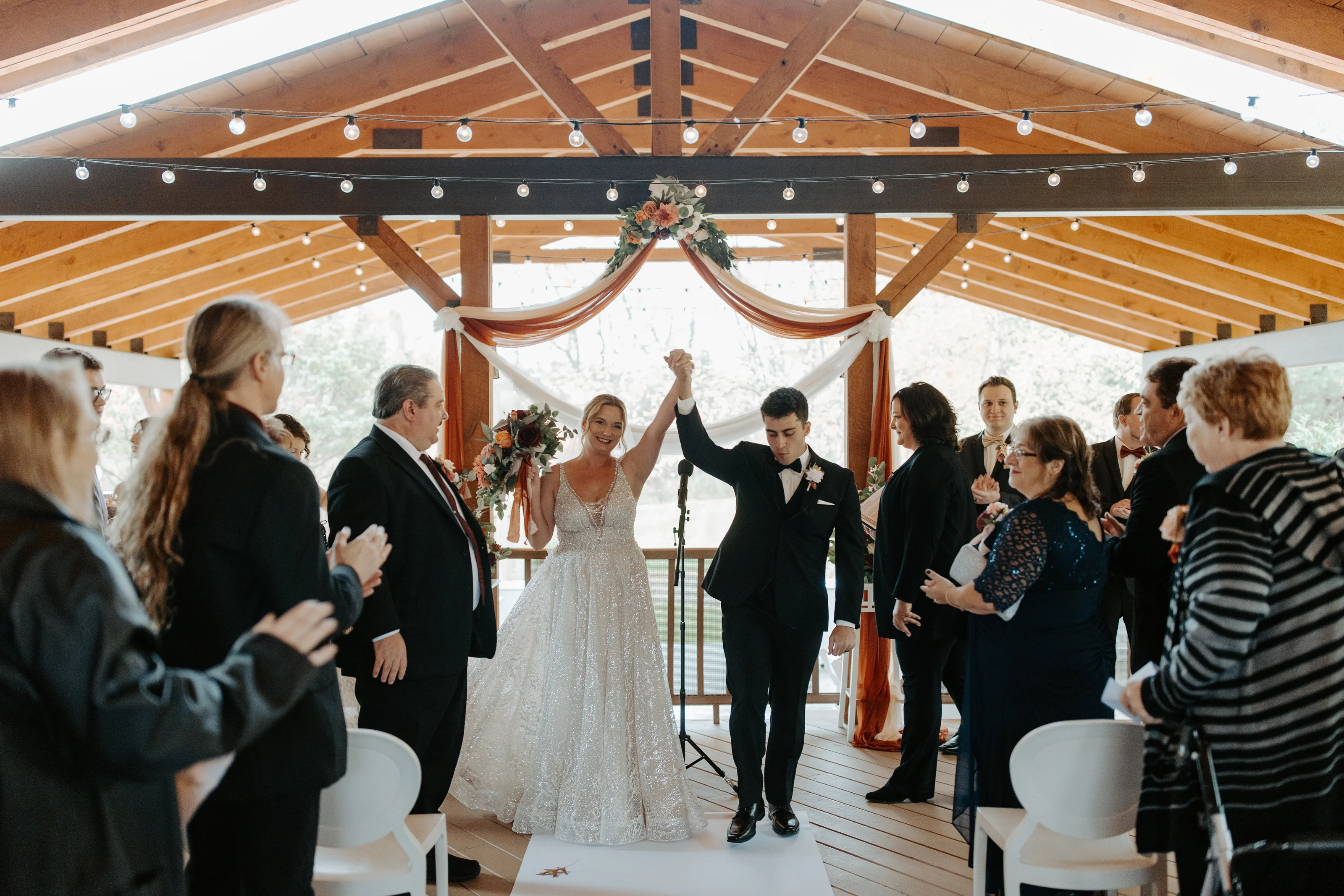
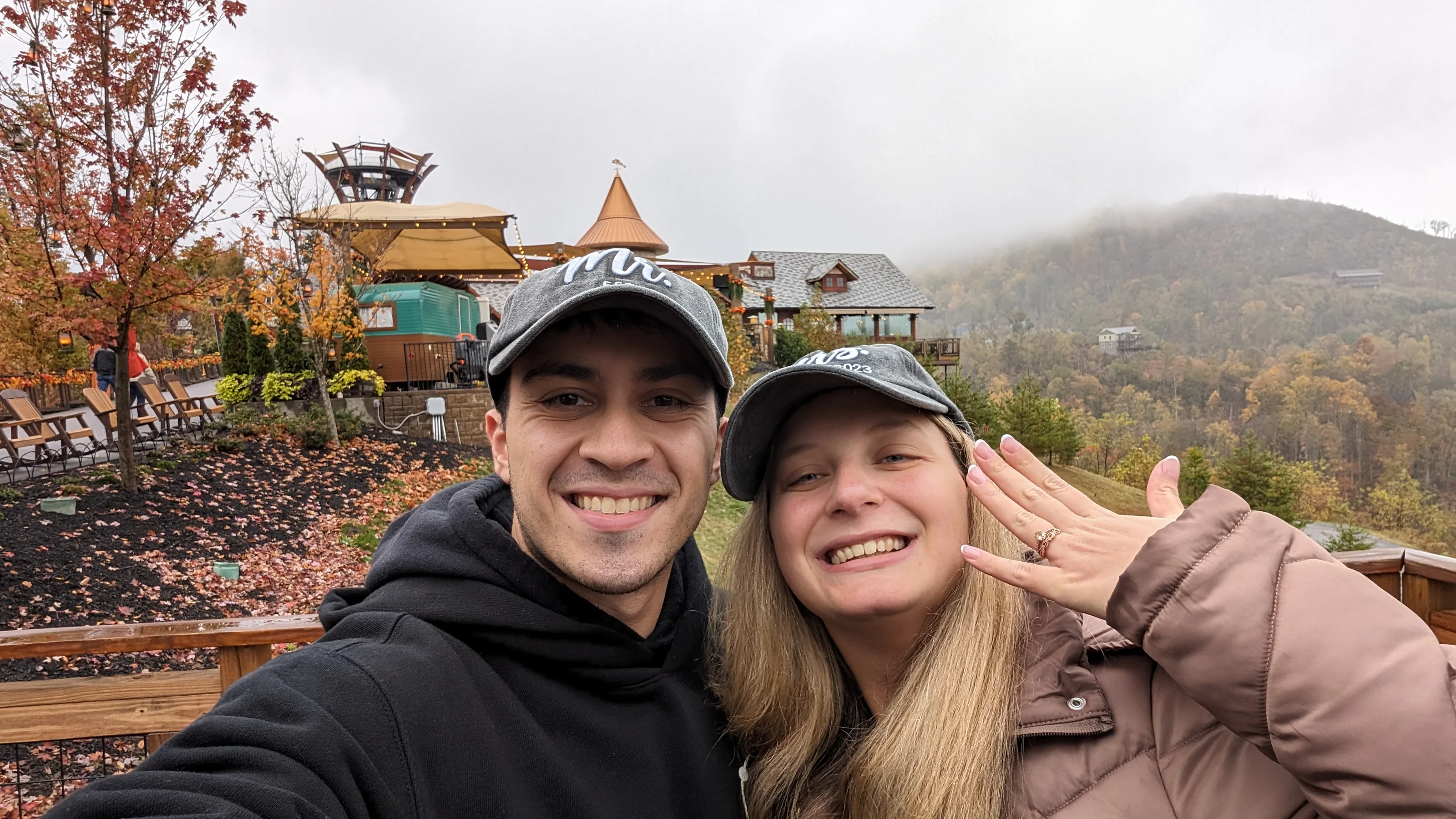
We got married on October 28, 2023, at The Chadwick outside Pittsburgh. It was a beautiful day, all our friends and family, and the venue closed for good less than a year later. The part nobody would guess is that I basically planned it. Amanda and her family made the big calls, but I ran the logistics like a project: the guests, the gifts, the endless back-and-forth, all of it funneled through me. We honeymooned in Gatlinburg, Tennessee, including a foggy fall day up on Anakeesta, the park on top of the mountain. Amanda took my name, we combined our finances, and just like that we were a single unit, two people pointed in the same direction.
My old client portal also got a second life on YouTube. I had started posting videos about what I was building for clients on the FindIT Tech channel, since that was the service business, and once that channel had a few hundred subscribers, I moved every one of those videos over to my personal channel and deleted them there. It was the same personal brand versus company brand back-and-forth I have had my whole career. That channel later became the Motive11 channel, and to this day it has a couple hundred subscribers and not a single video. On September 30, 2023, I posted a walkthrough of how I built the portal, and it popped. People were fascinated by client portals, which still amuses me a little, because most of what mine did you could get out of Stripe today without building anything.
That fall, I watched a WordCamp US 2023 debrief with Kevin Geary, Sunny Trochaniak, and Jonathan Jernigan. I did not know any of them, but I remember thinking that I wanted to be in that conversation. It looked like fun, and it looked like a community I should be part of.
Then something shifted, though not in the way it probably looked from the outside. I had been putting myself out there for years already. I had run livestreams to basically nobody for a long time, talking into a camera whether anyone showed up or not. What changed was the focus. On December 8, 2023, I did a livestream called "WTF is happening in the WordPress community?" and it was the first time I aimed all of it squarely at what I actually did for a living: the people, the industry, the business of building websites, instead of just the tools I happened to use. That stream kicked off the whole run. It got people to notice me, pulled me into the community, and pushed me to go deeper. I decided to build real authority around this, and I went all in. More livestreams, more videos, trying to earn some rapport.
2024
Putting myself out there.
The WordPress community gave me a lot: mentors, an audience, and a real sense of belonging. In January 2024, I met Matt Medeiros. On March 1, I took my first paid consulting call. On March 10, I simplified my name. I had always had the channel, but I went from Mark Joseph Szymanski to just Mark Szymanski, because the longer version was a mouthful and a hassle. Two weeks later, on The WP Minute, I made my first podcast guest appearance.
What made all of it possible is a skill I had been quietly building since the diner and those older-kid classrooms: I built trust and rapport with people fast. Not in a slick, closing-the-sale way. The opposite. I was honest to a fault and would tell almost anyone almost anything about myself, and that was exactly why it worked. It was genuinely one of the best things I did, and the WordPress world is where I found out how far it could carry me.
Inside of about two years, I was, by small-pond standards, everywhere. I turned up on what felt like every show in the space. Matt Medeiros brought me onto The WP Minute, where I co-hosted early on. I was a regular on Kevin Geary's channel, on WP Tonic, in Stephanie Hudson's group, and on a long list of others. There is a guest-appearances playlist on my channel with almost a hundred of these, basically every video I showed up in on someone else's channel. What was impressive about it was the velocity, not the volume. I came out of nowhere. Inside the tighter WordPress community, the people who are actually tapped in, I got really well known, fast. The random person watching an Elementor tutorial would have had no idea who I was, and that was a different audience entirely. But in the circle that mattered to me, people trusted me and liked talking to me, so I got into rooms.
In April, I sold the biggest website project I had ever done, $12,488, a new site for Sheffler & Company, an engineering firm, which showed me what was actually possible. I learned something else from it too. Charge what you are worth, but charge it to people who can actually afford it, because I have charged a lot of money to people who could not, and that is its own problem.
Because the portal video had done so well, that February I started a free tutorial series rebuilding a client portal from scratch in Bricks, the builder I had switched to, and the first episodes got a lot of views. I made it to part nine in June and never finished it. The honest reason is that I did not care about rebuilding it in Bricks. I had already built the thing once.
I ran the guest thing the other way too. I brought guests onto my own channel and livestreams, which is its own kind of rapport-building: you learn a lot about someone by handing them your audience for an hour. One of the most unique versions was Bridge Builders. Maddy Eastwood came up with the idea and pitched me on it, and the concept was simple and a little different: take two competing ways of building, mostly different WordPress page builders, put two people who each swore by one of them together, and actually talk through the differences. We started the first episode on April 25, 2024, and eventually brought Brendan O'Connell into it as well. It was a good run, and people liked it because it was genuinely different. None of this pulled huge numbers, but every appearance and every guest cross-pollinated an audience and built another real relationship.
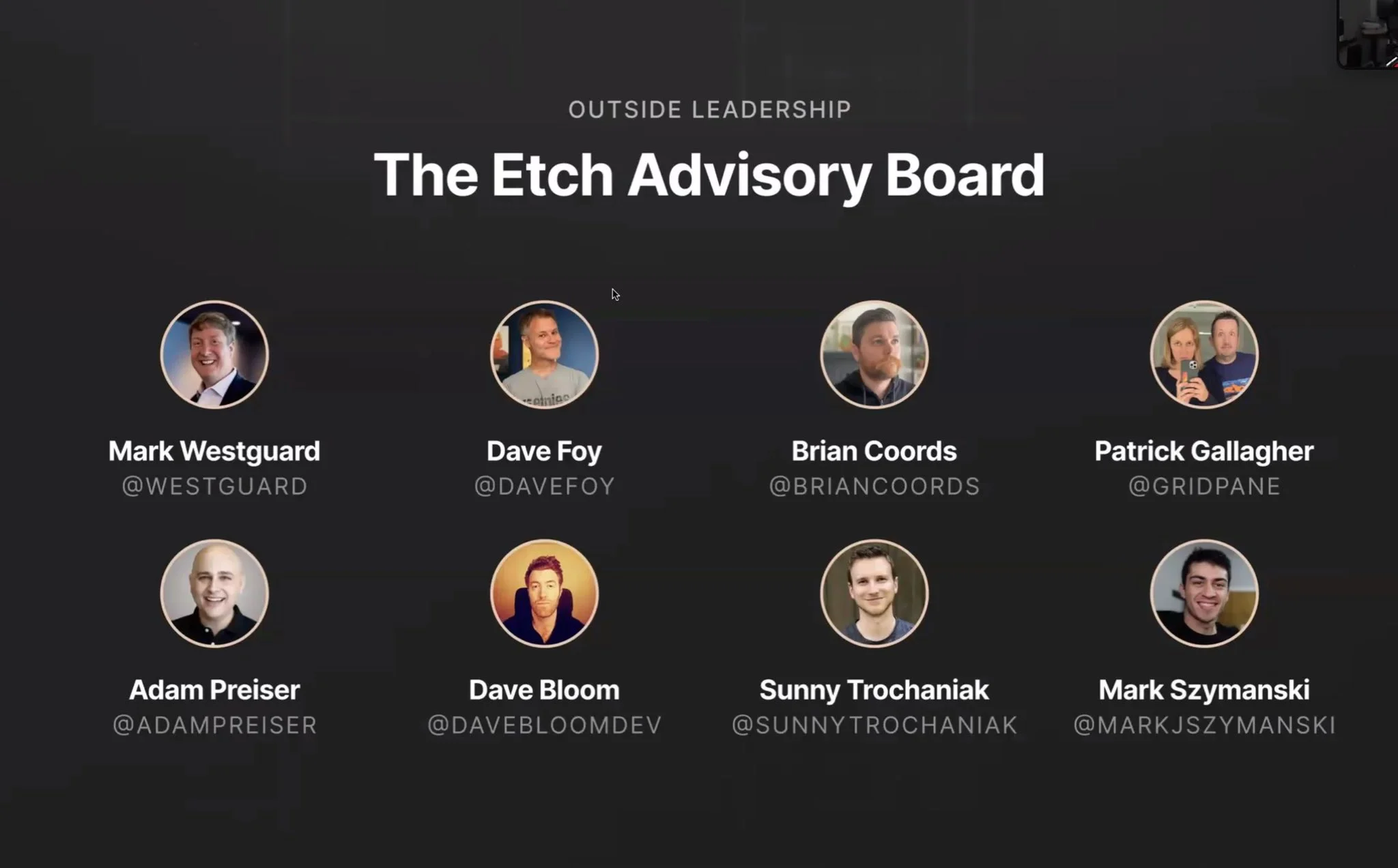
Kevin in particular taught me an enormous amount about how to actually build, and pushed my thinking from Elementor toward something more serious and developer-minded. On September 4, 2024, he put me on the advisory board for Etch, the builder he was making, well over a year before it shipped. That same month, I went to my first WordCamp US, in Portland, Oregon, and in October he and I launched WP Townhall together.
But even while all of that was happening, it was starting to feel small. I had shown up late, and the truth was that only a small pond of people cared about that specific content. On December 11, 2024, I filmed a video about second-guessing my WordPress-only niche and looking deeper into automation and AI. I felt it in my gut that day. Then I waited almost a full year to act on it. If I could keep one lesson from my twenties, it might be this one: when you feel something in your gut, write it down and check it again in a week or two, not a year. My 2025 could have looked completely different. I also know you are sometimes not ready to do a thing until you are ready, and I was still learning to balance those two.
Instead, two days later, I started building a merch management software product with the same two merch guys I had been building small sites for since 2021. It got its first client in January, and it was exactly the kind of extremely distracting thing I should not have been doing.
2025
The year of travel and turbulence.
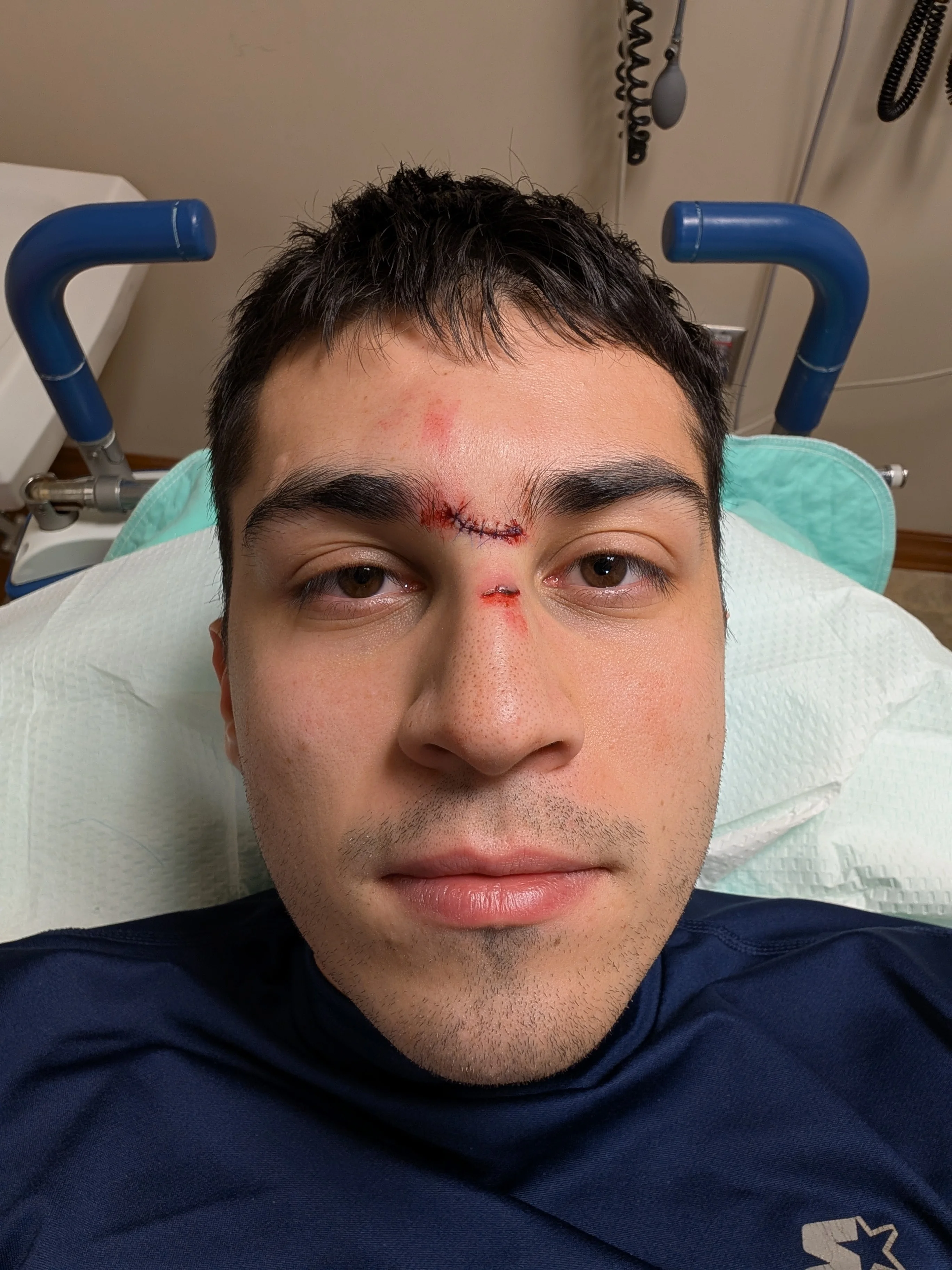
2025 left a mark on me before it did anything else, literally. On February 1st, I took a backhand to the face in a pickup game and got 7 stitches between my eyebrows, plus a tetanus shot the same day. I was back on the dek 4 days later in a visor, put up a goal and 3 assists, and the visor has stayed on ever since. That was about as honest a picture of how I was wired as anything.
That same month, I found Nick Saraev's daily update videos and realized I needed to become an actual businessman. I needed to understand business and focus on money. I realized it in February and then did not really act on it for most of the year, which is the same lesson as December all over again.
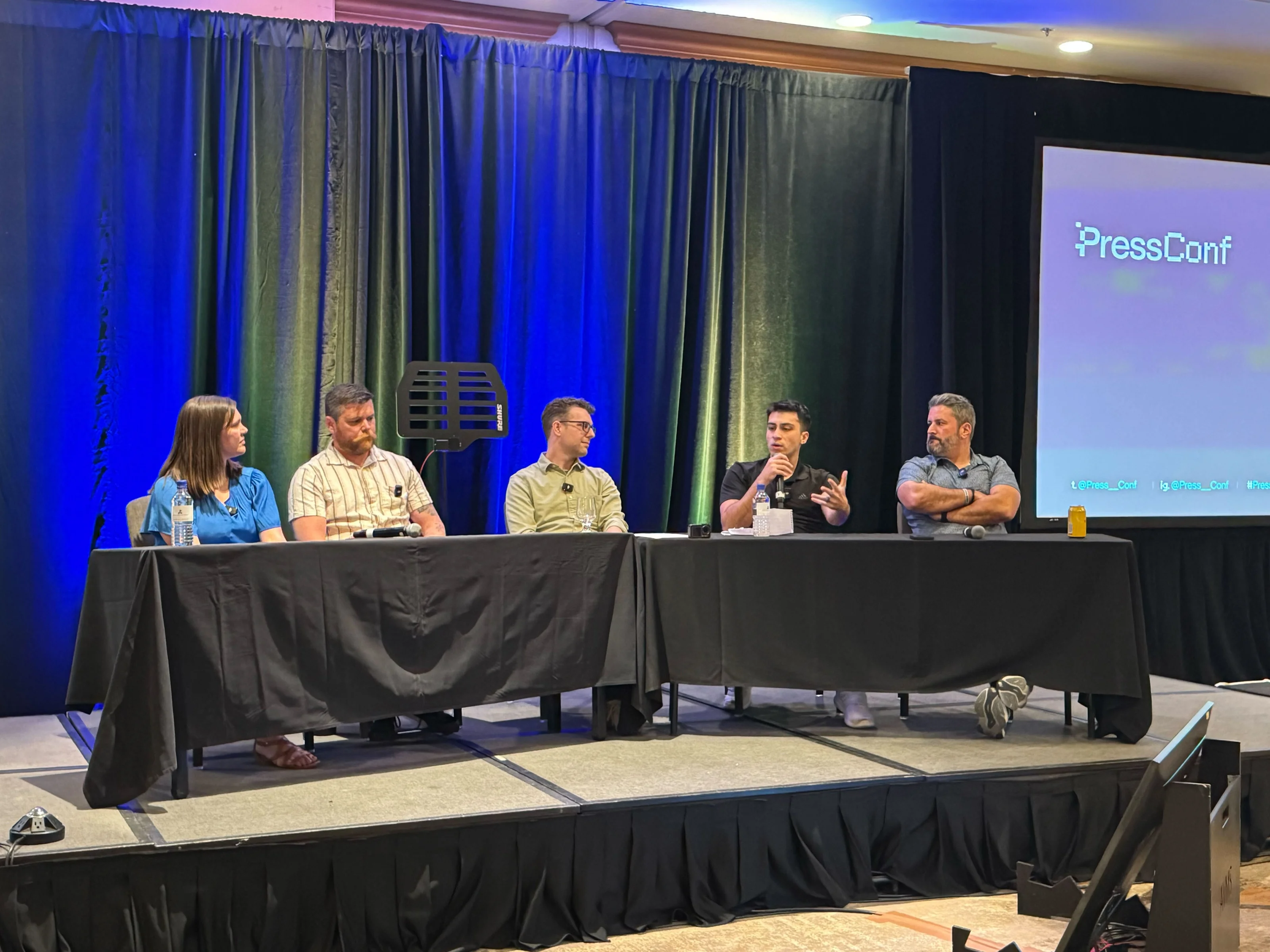
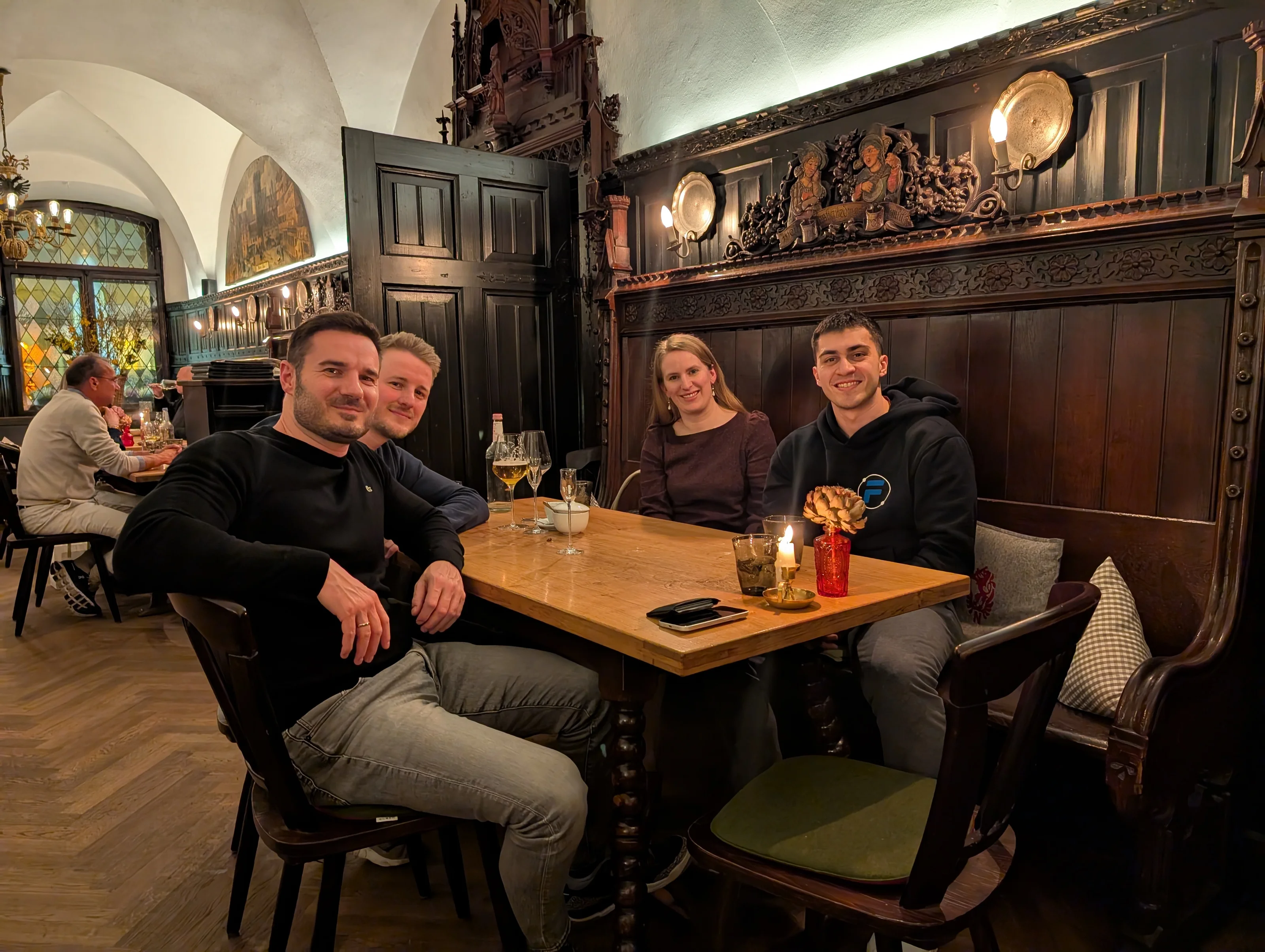
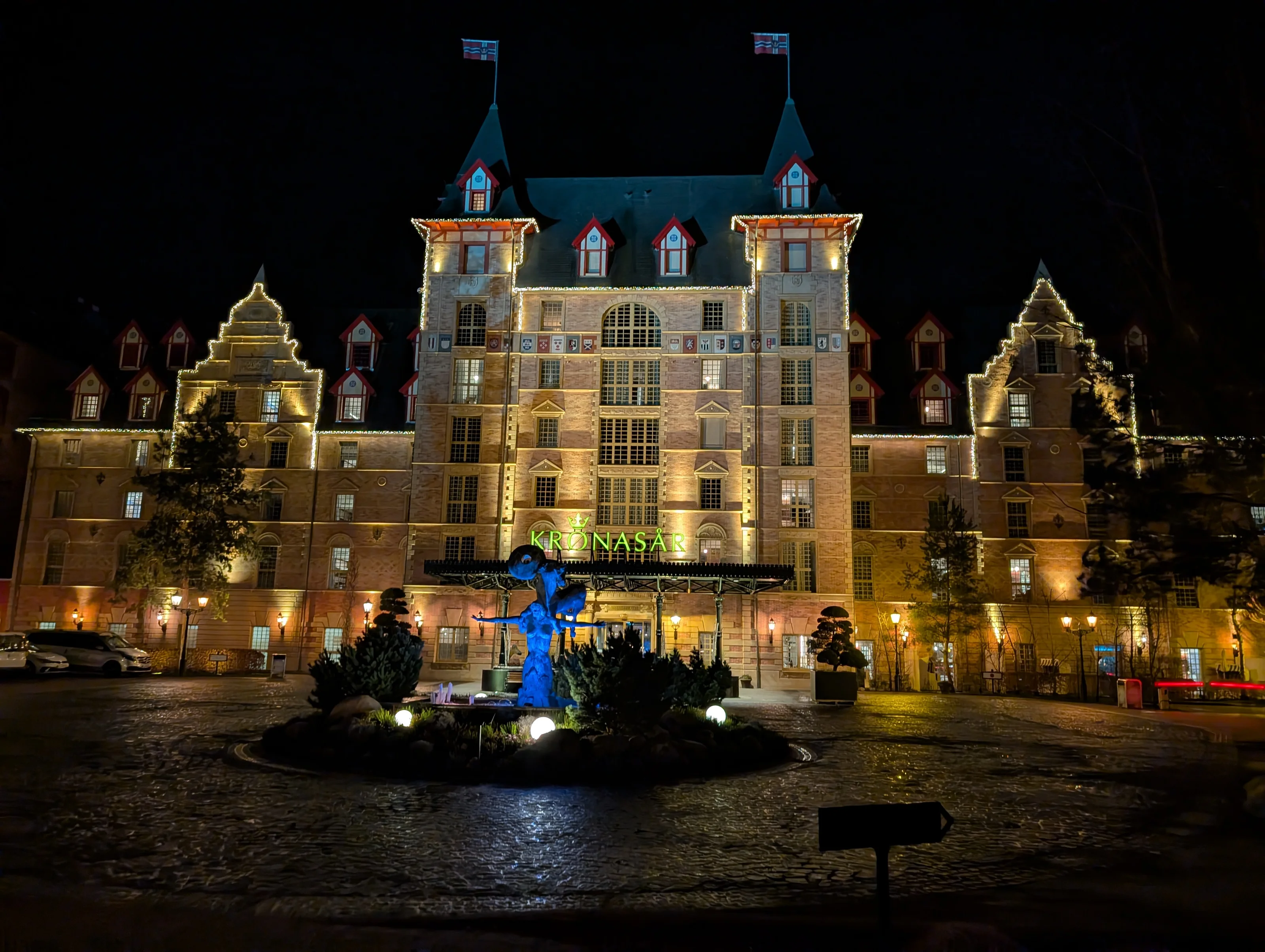
If I had to summarize 2025, it was the year of travel and the year everything started to shift. I traveled more than I had in the rest of my life combined. It had started the year before at my first WordCamp US in Portland, and then I ran the whole circuit. In March, I went to CloudFest in Germany as a media partner, my first time in Germany. In April, I went to PressConf in Tempe, Arizona, and spoke on a podcasting panel, my first time ever speaking in public. I basically speed-ran the entire creator-at-events thing.
The other half of that year was money, and it is worth telling plainly, because most people never see how this side works. By then, I had become a WordPress content creator, whether I planned to or not. My channel went from a couple thousand subscribers when I started making community content to 5,000 by the end of 2024, and most of my time and energy went into videos instead of clients. That is when I learned one of the most important things in this whole story: the content I was making was not selling websites to clients. It might sell products or education to peers, to students, and to people who wanted to do what I did, but not the thing I actually got paid for.
The first way to make money from content is affiliate marketing, and I have always liked it. If I love a product and it has an affiliate program, I am happy to get paid for recommending it, and if you are honest about it there is nothing shady there. The problem is that you carry all of the risk. You make the video, drop the link, and there is no guarantee you see a dollar, between tracking that breaks, coupon extensions that quietly swap out your link, and everything else that eats a commission. It is a nice supplement. It is not a business.
The second way finds you once you have a little attention, especially in a small pond. Companies start asking you to make videos about their products for a fee, and starting in the fall of 2024 I said yes to a number of them, both dedicated sponsored videos and integrations inside my regular ones. It was real money, more than $20,000 in sponsorships between the fall of 2024 and the end of 2025, and it came in fast.
And I hated making it. The products were not bad. I vetted every one. But they were not things I used or would have reached for on my own, and I do not like being told what to make. Once a company is paying, it wants a say in the video, which is fair from its side, and more than once I had to go back and redo a video over how a product was described. But I only have one name. Everything I do is under my own name and my own face, and I was not going to trade my reputation for a couple grand at a time, on videos that barely got watched anyway. Content written to keep a sponsor happy is exactly the content people skip. Honesty is what gets watched.
It cost me something else I did not see at the time. For a stretch I did not even want to do service work anymore, because I thought I could just make content and get paid for it. I could never have built a business on sponsored videos, and in hindsight I should have put that energy into something I owned, a product, a course, or a community, something I could stand behind. That came later. What I walked away with was a simple test for any money tied to my name: would this change a single word of what I was going to say? If the answer is no, the money is fine. If it is yes, it is not.
At the end of April our power went out for 32 hours, which almost never happens, and a fridge full of junk went in the trash. I had been feeling out of shape for a while, so I took it as an opportunity. Before that we did not even have a regular grocery routine. We ordered out, bought frozen pizzas, and figured out dinner as we went. From that moment on, we went to the store every week for steak, chicken, eggs, avocados, and potatoes, and that became most of what we ate. We still went out to eat, but the core changed, and it was a real health turning point. I stopped getting sick nearly as often, and by June I was back in the 170s for the first time in 6 years. The weight did not all stay off, but the way we eat did.
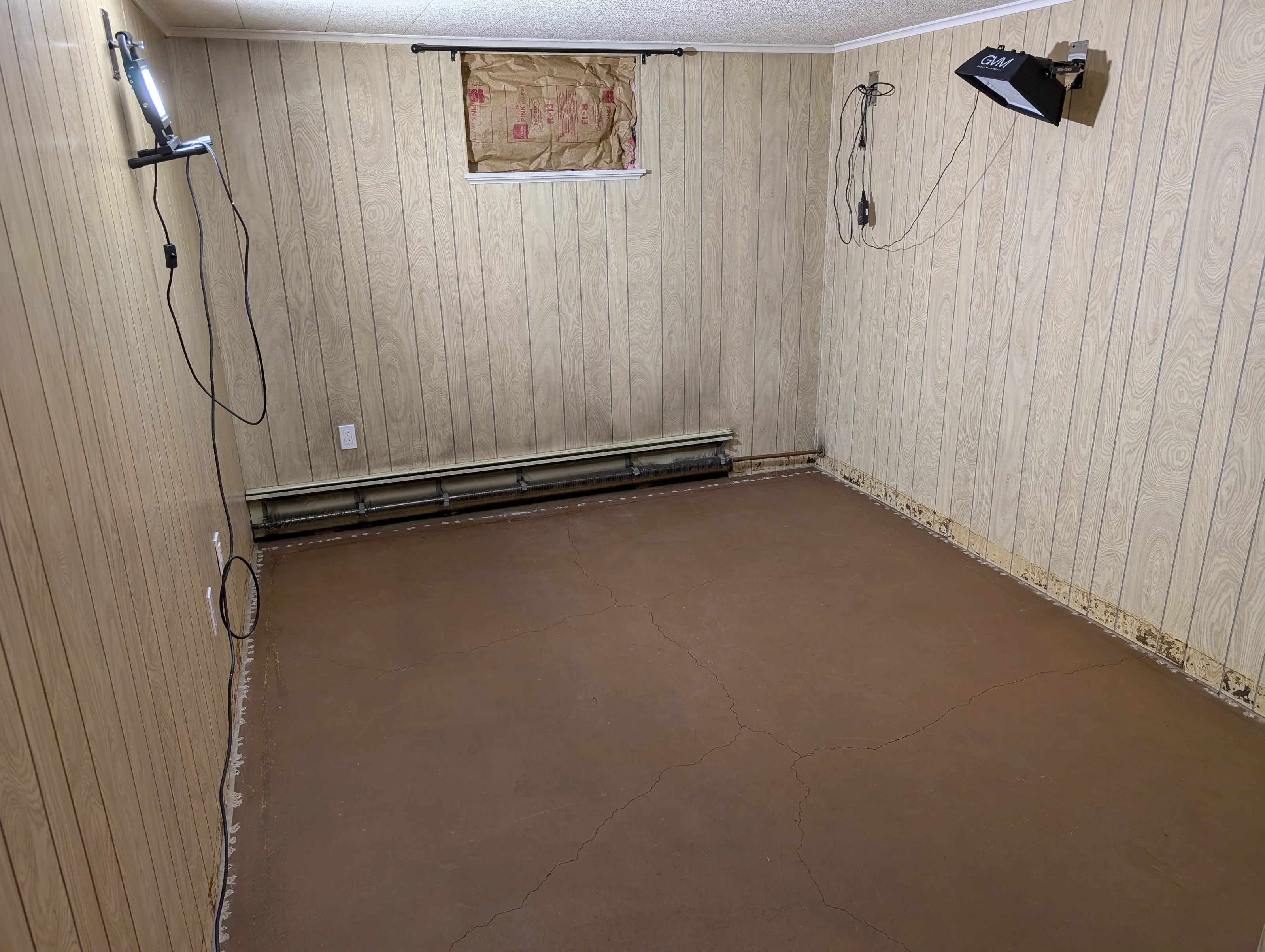
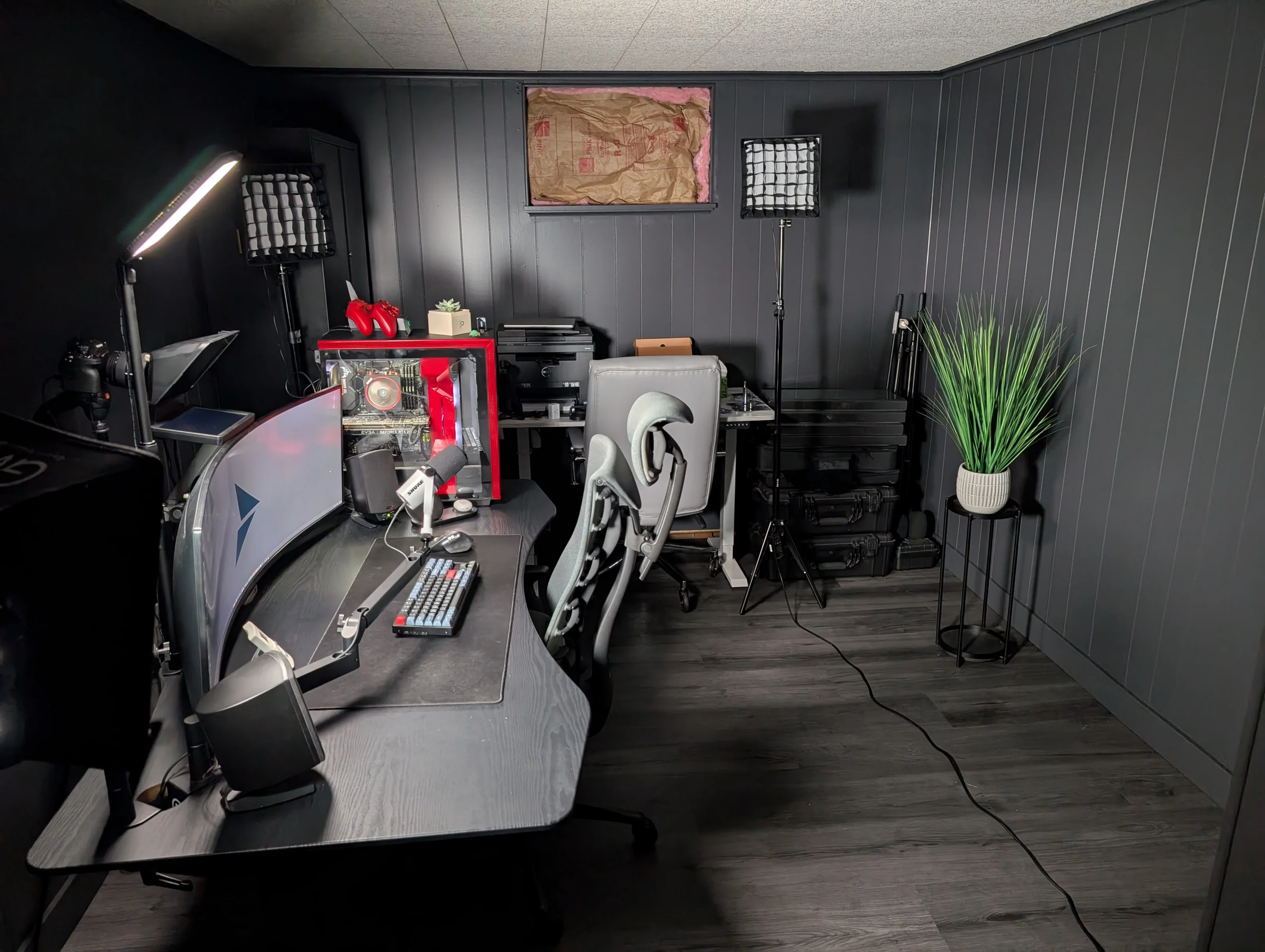
In May, I finished turning a spare room in our basement into my office and studio, and moved in. It was a bigger deal than it sounds. I planned out the whole room, painted all the walls and trim, laid luxury vinyl plank on the floor, installed the baseboards, hung a new door with my dad's help, and set up all of the lighting and studio gear myself. Then I moved everything down from the bedroom upstairs that had been my office and filming spot. The timing could not have been better, because a year later we had a newborn in the house and I could work at home without ever really leaving. It became where I recorded and worked every single day, and the gear in it is all on my tools page.
June was a full month. On June 7, I officiated my sister Sara's wedding to Jesse. On June 2, I had started posting a short video every single day, and a few days later I crossed half a million career views on YouTube. Looking back, posting every day was not really the point. Nobody cares about what you are doing. They care about how you can help them, so posting consistently only matters if what you post is consistently valuable. At the end of the month I hired my first contractor, Nathaniel DeHaven of Elevated Multimedia, a young, ambitious creative director, to help with video editing and thumbnails. He was worth every dollar (if you need an editor, definitely hire him), but I learned you cannot keep paying people if the work is not making you money. That was a me problem, not a him problem.
That same month, for the first and only time, I subcontracted a whole website build to another developer, and it went well. It was the first proof that I did not have to build every piece myself to deliver something good, as long as the work itself was paying for it.
The connections from all that travel were genuinely great and the people were good, mostly folks who had been in the WordPress world a long time. But the honest math was brutal. The return on all that travel was atrocious. I made relationships and almost no money, and I knew that with my actual skill set I could earn far more just sitting in my office putting out videos. You do not have to travel to make money, whatever your industry tells you. The travel showed me where my time is actually worth something, and it was the catalyst that finally made it undeniable.
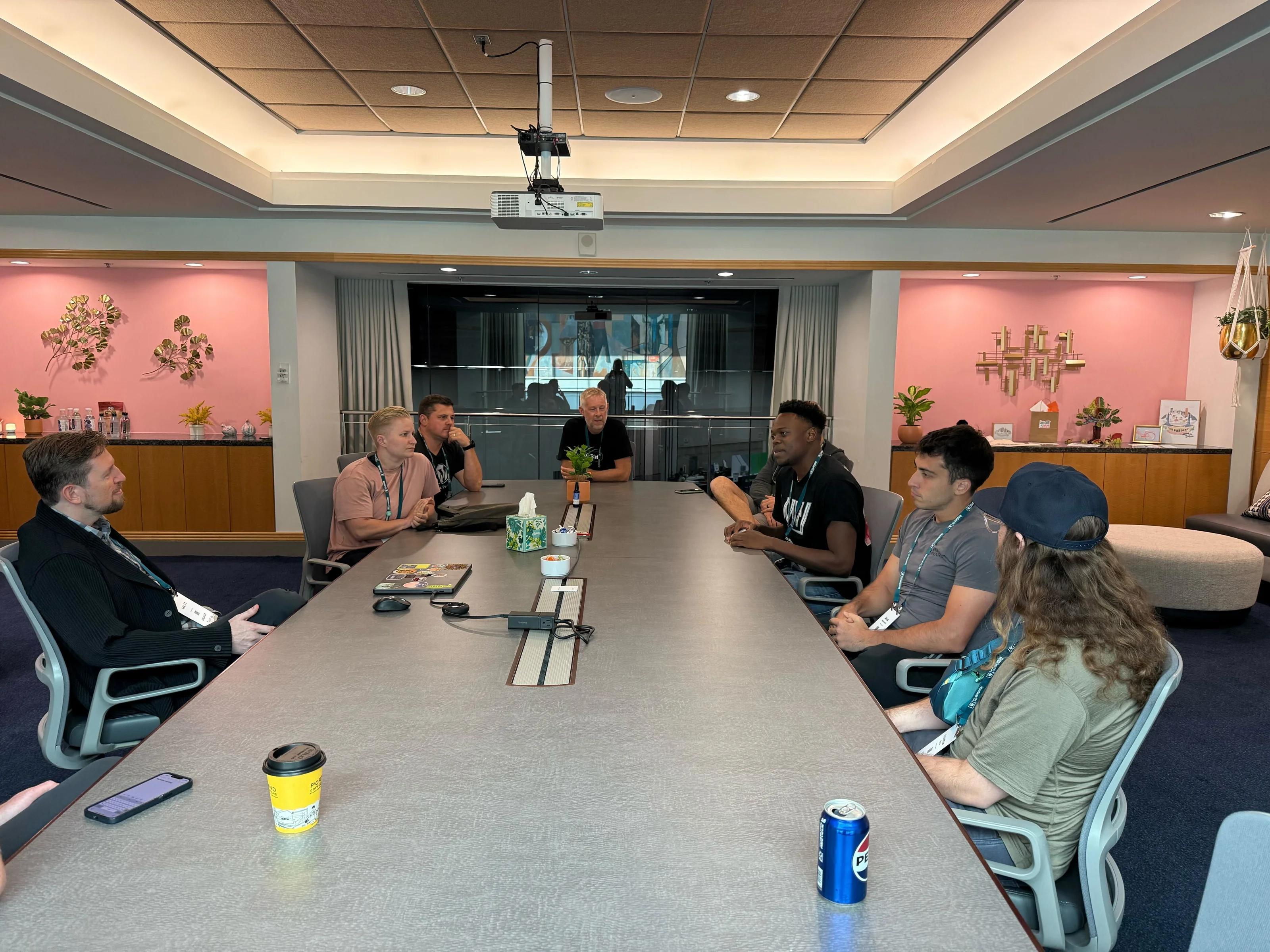
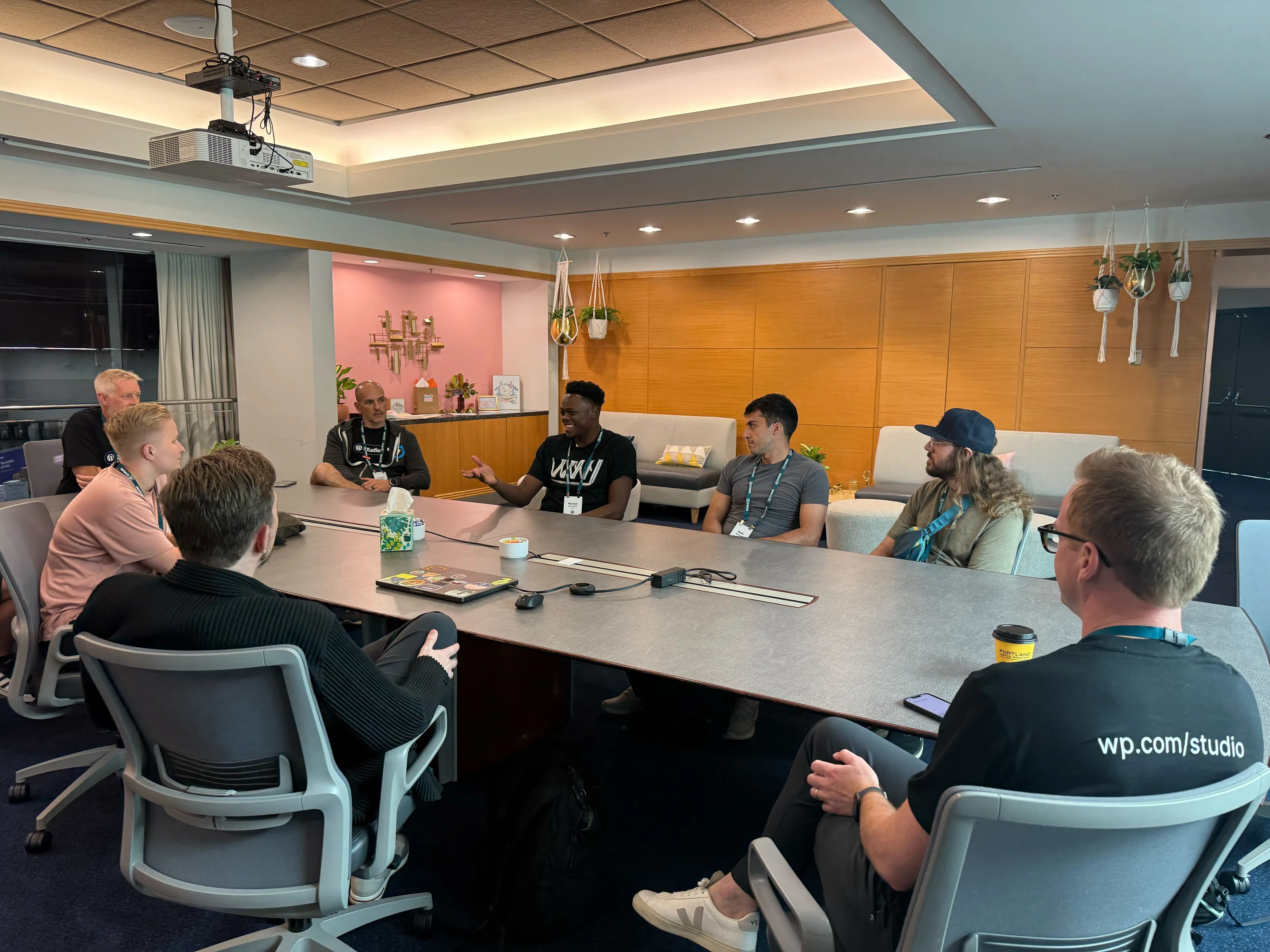
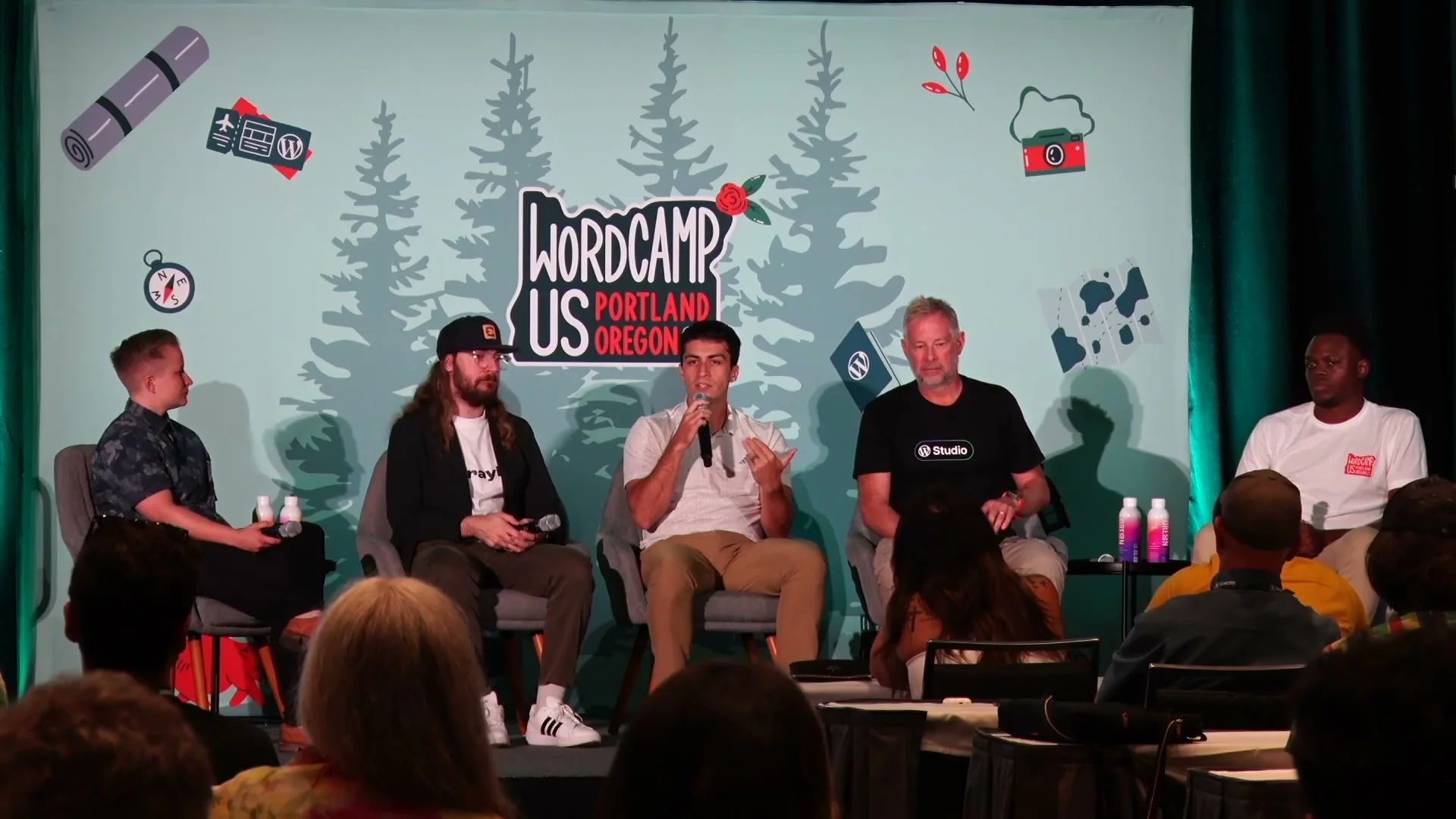
In August, I went back to WordCamp US in Portland, and it ended up being the clearest example of the kind of room you usually do not get into that fast. Anne McCarthy got three of us a sit-down with Matt Mullenweg, Mary Hubbard, and several other Automatticians. It was me, Christian Makoa, and Michael Cunningham, three guys in our twenties, and we used it to make one point as plainly as we could. WordPress is not dying, but it is not growing, and there are almost no young people left in it. We basically asked what the plan was to fix that. I did not think it landed. Nothing actionable came out of it, and I walked out fairly sure there was not really a plan. They were all good people and I had nothing bad to say about any of them. That was just the honest read in the room. That same week, I also spoke on a content creators panel at the WordCamp.
That meeting put words to something I had felt all year. WordPress was not dying. It was enormous, it was tried and true, and it was still genuinely useful. It also was not growing, and a thing that stops growing stops being exciting no matter how big it is. The community skewed a lot older than people like to admit, and I was almost always the youngest person in the room. There was real wisdom in being around people further down the road, and I had always sought that out, but it was not a sign of where the energy was going. A lot of that world was building the same way it always had, right as AI was about to force a reckoning most of it had not seen yet. I say all of that as generalizations, and not to insult anyone. It was just what I watched happen.
Here is the part I have to be honest about, because it is the whole point. At most a few thousand people actually cared about the inside-baseball I was making, and almost none of them were ever going to pay me for it. I was too deep in the community side of WordPress to earn real money from it, and I was doing it during the exact years I got married, took on a mortgage, and was fully responsible for myself. If you are not making money, do not go where other people are not focused on making money. As a short-term return on two years of relentless work, it was close to a dead end. It was not a dead end as a person, though. It taught me how to handle an audience and how to take criticism, which I had never really had to do. The moment your content gets opinionated you start having conversations with people who do not think like you, a lot of them behind anonymous profiles, and you learn fast which pushback is worth taking and which is just noise.
I built real relationships in there and I was grateful for them. Some of them naturally cooled after that, and that was not bitterness. It is just what happens as you change and the people around you do not, or you grow in different directions. I was a lot like those people for a while, and then I was not. Not every relationship evolves with you, and that is okay. The hardest part was admitting it, because the reason to stay was always the people. "I cannot walk away," I would tell myself. "I have all these friends here." Eventually it clicked that making a career decision to protect friendships was irresponsible to my family.
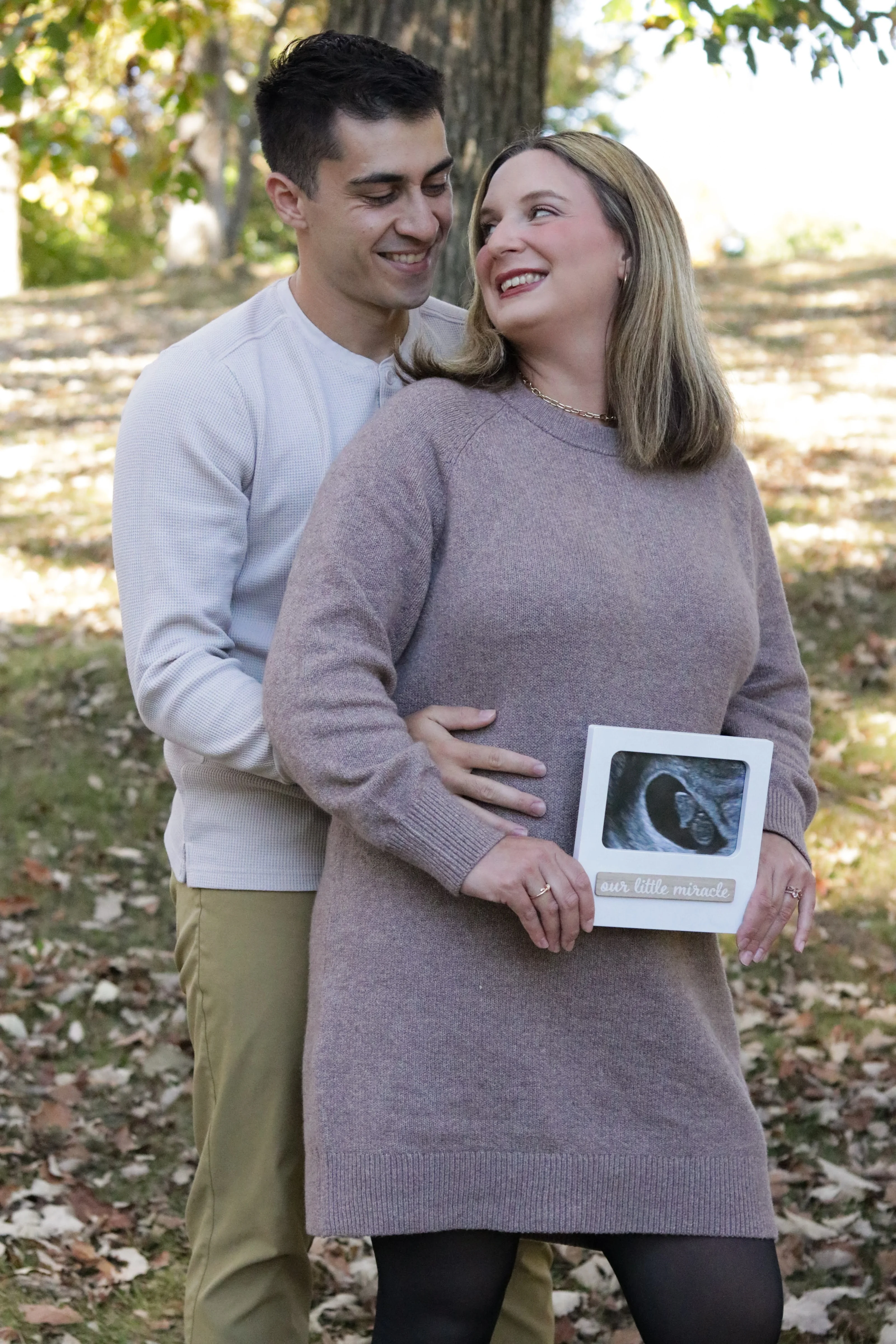
Amanda and I started trying for a kid that summer. In July, we got a positive test and then a negative one the next day, a chemical pregnancy, which is a lot more common than people realize. It stung for a minute, and then we kept going. On September 1, 2025, we found out Amanda was pregnant again. We told my family a week later. On September 29, we saw our baby on an ultrasound for the first time, in October we heard the heartbeat, and on Halloween we found out it was a boy. We decided on the name Nolan Joseph Szymanski, he was due in May 2026, and suddenly everything I was building had a deadline and a reason.
That fall, I made a run of decisions I was proud of. In September, I decided to rebrand my service company. I had always hated the old name, FindIT Tech. It had IT in it and I was not an IT guy, and I never wanted to say it out loud. I landed on Motive11. 11 is my number, and motive is the whole point: your motivation, your momentum, the reason you keep going. It was an extension of me the same way Fueled By Progress was, and it was the first version of the business I was actually proud to put my name behind. A few days later, I created a second YouTube channel as an outlet for the raw, behind-the-scenes stuff I needed somewhere to put. I decided to bring Fueled By Progress back, and in October it returned from the dead. In November, I went to CloudFest USA in Miami, my last stop on the circuit.
My finances were getting tight, and that pressure made the call for me. On November 26, 2025, I did not have enough money in my businesses to pay myself for the month. I knew it had been teetering, but it felt like it happened all at once. The next day, I committed to focusing on Motive11. All year my feed had been full of AI, automation, n8n, and Claude Code, and I had been watching from the sidelines. So I stopped watching and built something. On December 9, I built my first real agentic workflow, for a recruiting company: scrape candidate data and rank each person against the job and their own background, then hand back scored shortlists. I did not even get paid for it, but building it cracked something open. For the first time I could see exactly what was now possible. I landed on a stance: I was not the AI hype guy and I was not the AI doom guy. The technology was powerful, it was not going back in the bottle, and I was the realist standing in the middle of it.
The next day, December 10, I did the scrappiest thing I have ever done, and it came straight out of being low on cash. In a single evening I used AI to build a course out of everything I knew about WordPress and AI and how to position an agency, and I pre-sold it to 22 people at $49 before a single lesson existed. It was the first time I ever directly asked my audience for money, and it worked well enough to fund actually building it. That was the most founder thing I had ever done, and I had been kicking that can down the road for years.
It also forced a harder change in how I thought. I had gotten deep into a world of best-practices perfectionism, the belief that every line of code had to be flawless or you had failed. It was a great way to feel righteous and a terrible way to make a living. Watching people simply build things that worked and made money, it clicked that to actually be an entrepreneur I had to stop obsessing over tools, stop second-guessing, and point everything at one thing: making something valuable and getting paid for it. Climbing out of that perfectionist mindset was one of the harder and more important things I ever did.
In December, I decided to evolve past WordPress and started building real relationships with people making AI content. A lot of people I knew believed the world would not change because they were good at building websites the old way, as if everyone would refuse to let AI build a website because Jimmy is really good at it. The world was not going to stop for Jimmy. It would run you over if you let it, and it did not need to be scary, because all you had to do was go learn about it. On December 22, I recalibrated my entire professional identity so I would not get replaced by AI. A week later, I started building the Circle community that would hold my courses.
2026
Thirty, and the year I changed everything.
2026 opened in a hole. On January 6, stressed about money with a baby on the way, I pulled $5,000 out of my Roth IRA. The next day, I launched that course for real through Modern Builders Society, the community I was building. Scared and shipping at the same time, which was the honest texture of that whole stretch.
On January 17, eleven days before I turned 30, I sat down at my desk and recorded two and a half hours of myself walking through every big event of my life, from a spreadsheet of almost 300 of them, just to see where I was. A lot of this page comes from that recording. I called that list the most important document in my life, and I meant it. Around the same time I posted something I had been circling for a while. Many of the business people I had looked up to online were in their thirties, unmarried, with no kids, and I had been subconsciously comparing myself to men living a completely different life than mine. I was about to turn 30, two years married, 10 years together, with a son on the way, and I decided I would stop doing that. I wanted to be a husband, a father, and as successful as I could be inside those constraints, and I wanted to be proud of all three.
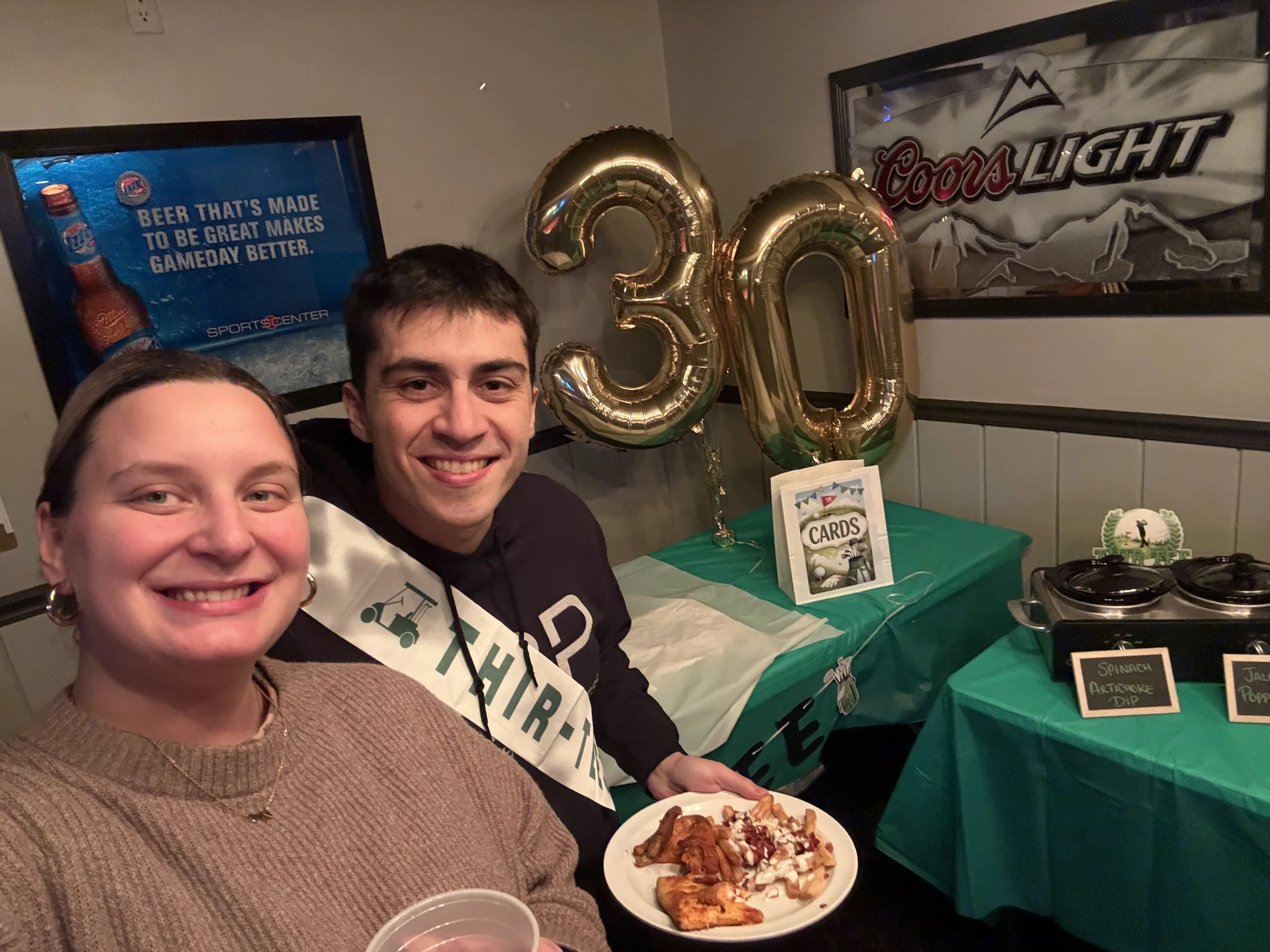
On January 24, Amanda and my family completely surprised me with a 30th birthday party at Middle Road Inn. I had never really had a surprise party, and I was so wrapped up in everything else going on, the money, the business, and a baby on the way, that it never even crossed my mind as a possibility. When I walked into that room I was completely shocked. I just stood there taking it in, almost in disbelief, and I could have cried. It was another reminder of how blessed I am to have the family and friends I have, and I was more grateful than I knew how to say.
By March, I was honestly down on my luck. On March 10, I was sitting with my finances, feeling pretty rough, talking to Claude about how to fix them, when a refund I did not think I was getting landed at the exact same moment someone agreed to pay me $500 for a video. Neither was a huge number. It was just serendipitous, and I took it as a little bit of a sign. Two days later, I officially launched Modern Builders Society, and I had my first paying member about 30 minutes after the livestream ended.
All of that, the course included, I had built in Claude's regular chat window. Then I started using Claude Code, and I noticed I kept copying context back and forth between the chat and the code for no good reason. So I stopped. I dropped the chat apps entirely and moved everything into Claude Code.
That is where my AIOS came from. I had always been a documenting, context-keeping guy, and my context was scattered across Notion, Google Drive, and a dozen other places. I had watched Liam Ottley build the same idea in public, and there are fifteen names for it, but the concept is simple: put all of your context in one place, connect it to every service you use, and give it the skills, data, and dashboards to actually act on it. By June, it had a real home, and from then on it was where I worked, every day, at my desk or from my phone. It changed the whole game for me, and there is a whole page about it.
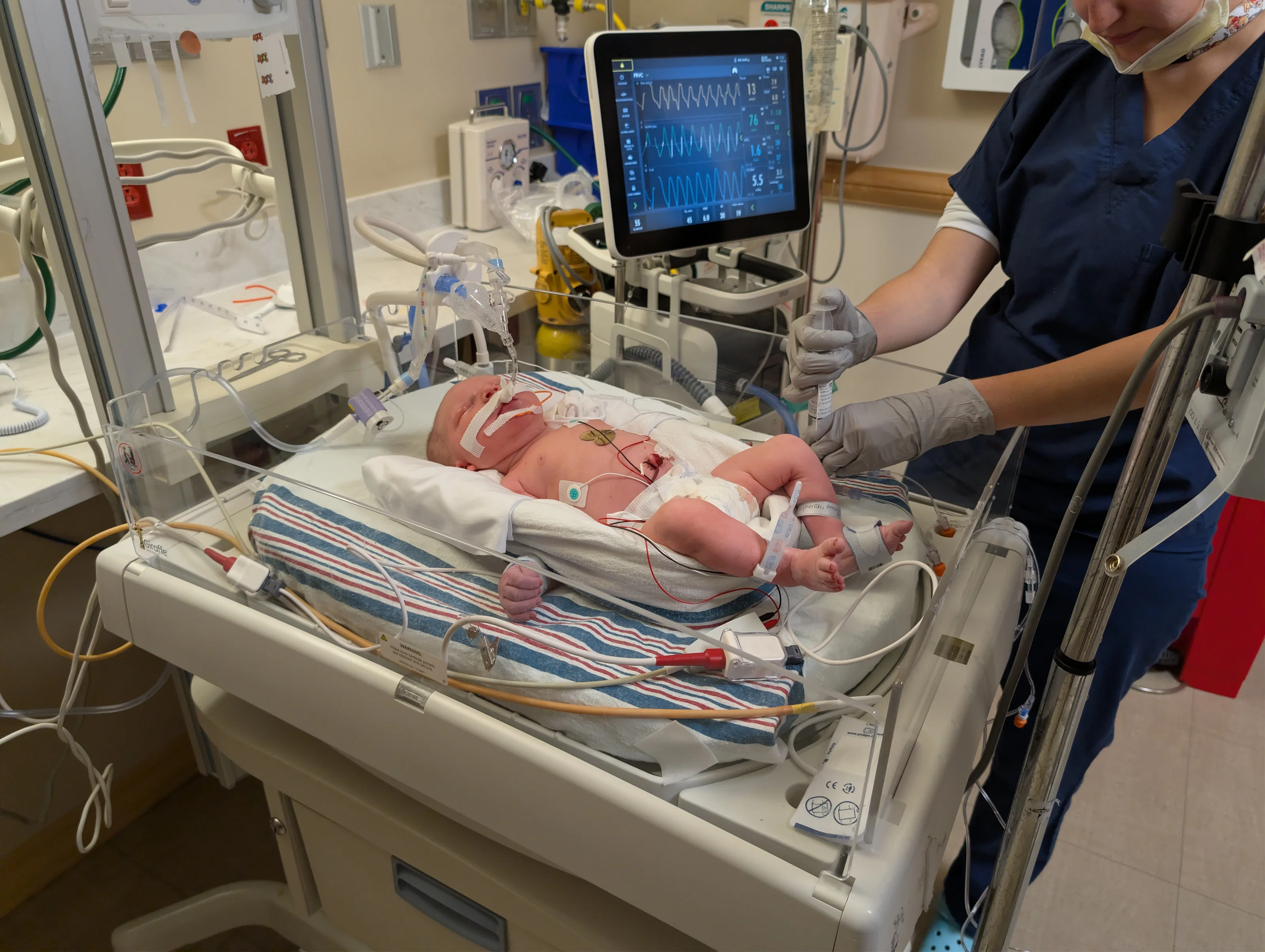
Then on Mother's Day, May 10, 2026, my son was born, and it was not the gentle version. Amanda was in the hospital for days, and he eventually had to come by C-section because he would not come on his own. They pulled him out around 9 p.m. and we did not hear crying, we heard an alarm. He was not breathing. He had aspirated meconium, so they rushed him to the NICU and put him on oxygen, and he spent 4 days in there before we brought him home. He came home healthy, and I had never been more grateful for anything in my life, but it was a lot.
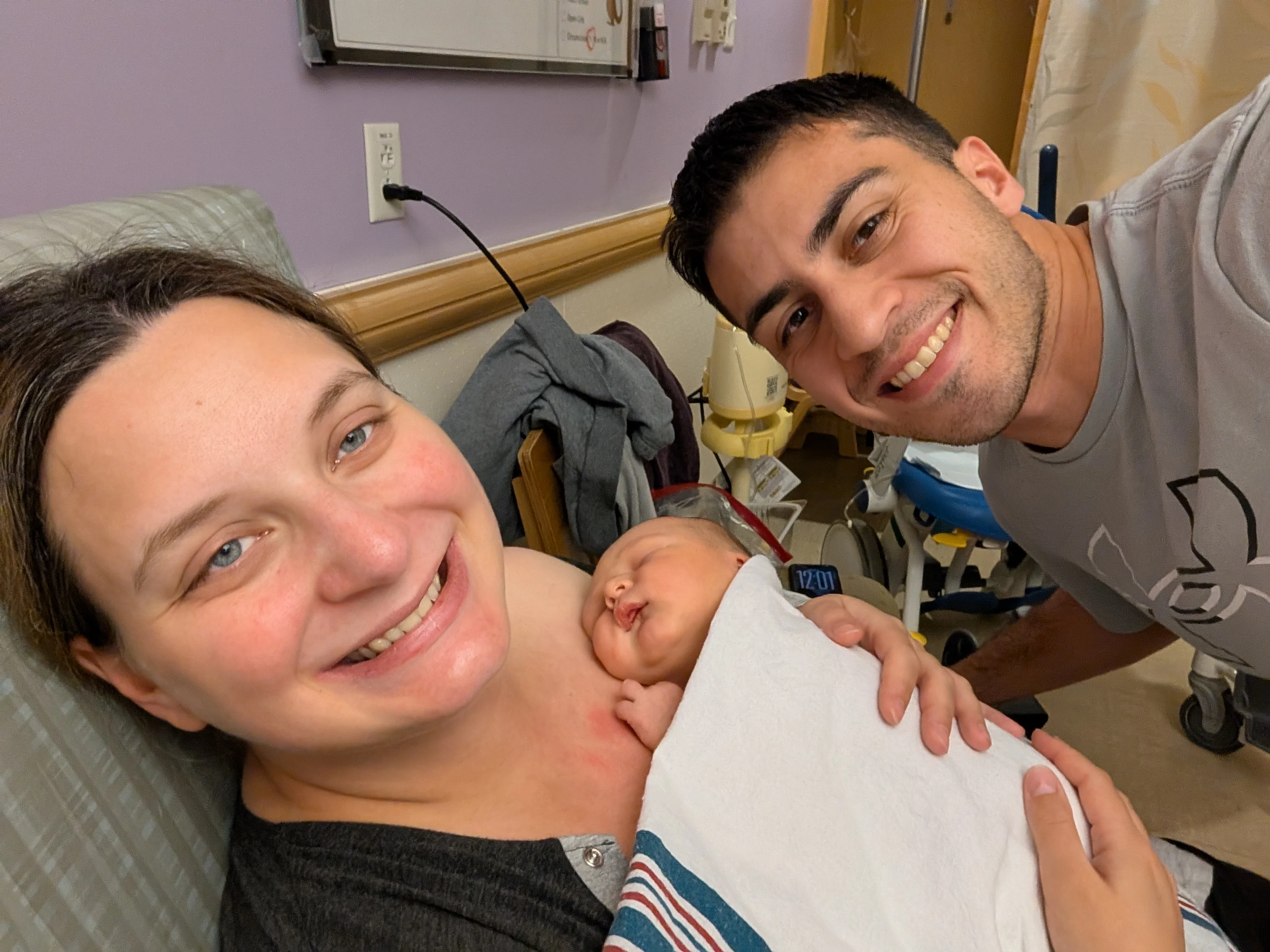
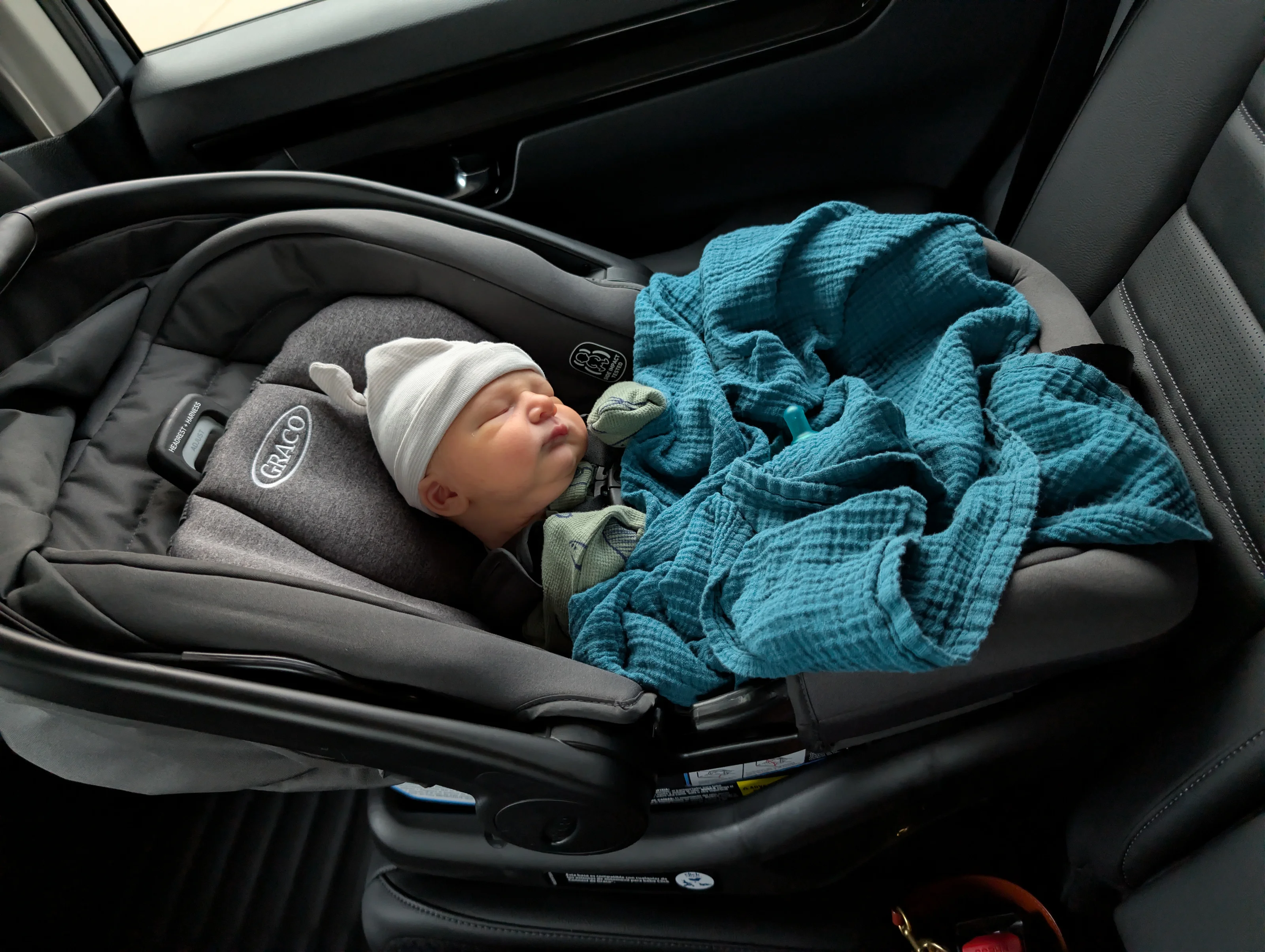
Becoming a father changed the math on everything. There was a weight and a motivation that had not been there before, and at the same time I was working less, because I was home helping Amanda and learning how to take care of him. It recalibrated me toward what actually mattered. By then, the work was really me plus AI: I leaned into my personal brand and my own projects, with Motive11 as the service company behind the client work. It all ran on trust, and trust came from showing my real thinking, the wins and the losses.
Nolan made our whole family stronger, and it was not weak to begin with. He had parents, grandparents, and great-grandparents who all wanted time with him, and we took candid photos constantly of whoever was holding him or playing with him, because those were moments he would never remember and we never wanted to forget. I already knew life was fragile and finite. Having a son made me feel it. Business had plenty of hard days that year, but my life was so good, and I knew how blessed I was.
My AIOS also did more for my income than anything else that year. It was connected to my email, my websites, and nearly everything else I touched, so I stopped doing the clicking, typing, and organizing that used to eat my days. I used to log every lead by hand in a CRM called Close. Instead I just told my AIOS what happened, pointed it at the email, and watched it update the board in my Mission Control. With the busywork gone, I could finally put my energy into selling, which I had avoided for years. I had more opportunities that year than ever before, and by the fall I had written more than $100,000 in one-time proposals, with monthly work on top of that. I did not close all of it, but I would never have even sent most of it before. It turned into my best year yet, and it let me build things like a proposal system for an engineering firm, Sheffler, the same firm whose website had been my biggest project two years earlier.
Modern Builders Society kept growing too, past 40 members by the fall. It became a real source of revenue, but the bigger thing was the people. They gave me ideas for what to make next, and a group of builders I could actually help.
That summer, I finally cleaned up one of the sillier things I did as a young entrepreneur. Back in 2019, inspired by guys like Gary Vee and Mark Cuban, I had pictured a holding company with a whole family of businesses under it, and I formed six LLCs to match. I closed AM In The PM, LLC, and the real estate company Zach and I formed in his parents' basement, which never did a thing. I moved the Fueled By Progress trademark into Szymanski Media so I could shut that company down too and keep the name forever, and the trademark office recorded it in September. Six companies, on their way down to the three that actually do something. I was glad I learned how to set up an LLC and how all of it works, but I did not need to do it six times, and I spent years keeping everything separate when I should have been focused on making money. If you are starting out and thinking about doing the same, you almost certainly do not need to.
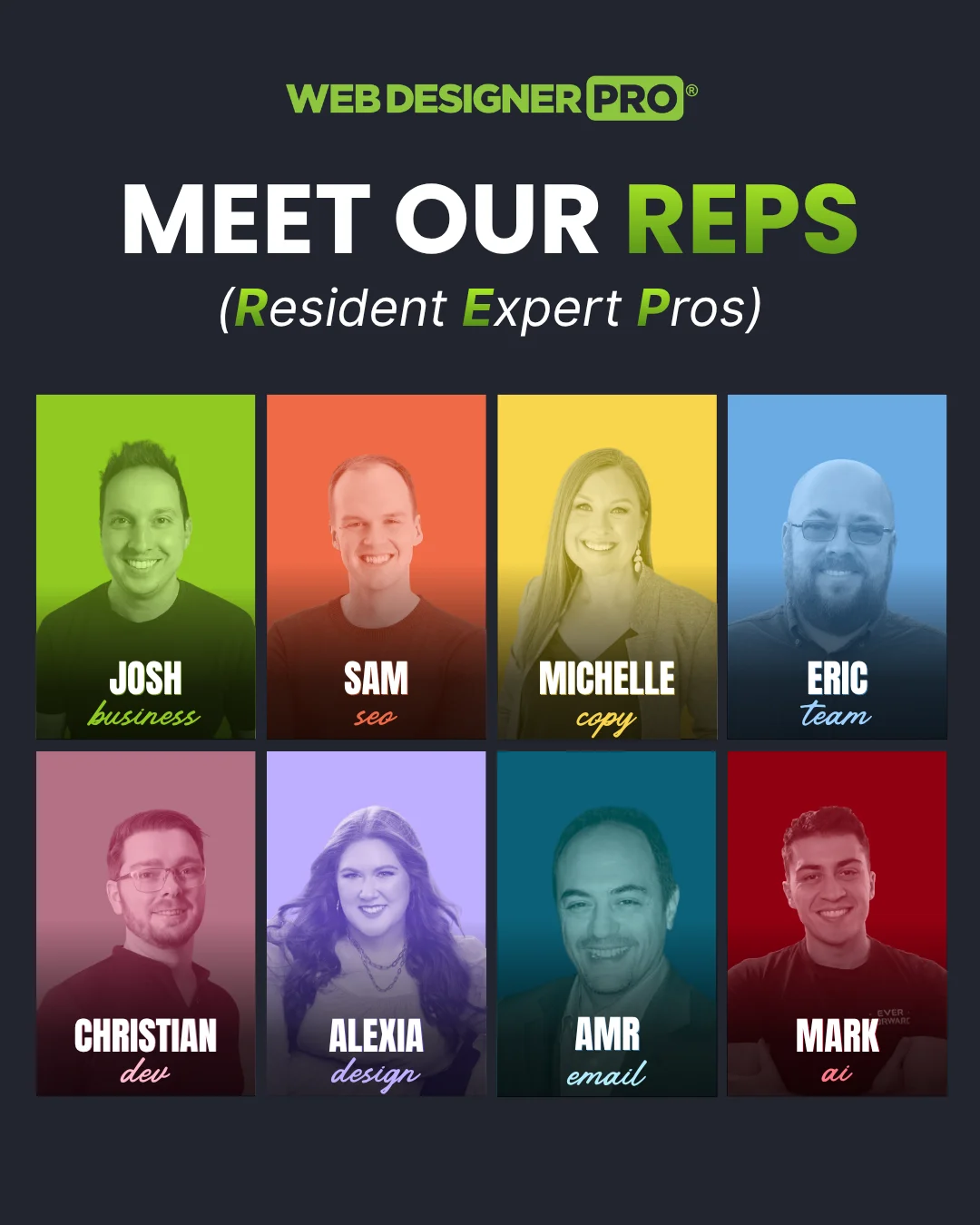
The strange part of this stretch is that other people started saying it before I did. In September 2026, Josh Hall named me one of the Resident Expert Pros in his Web Designer Pro community, eight of us with one lane each, and mine is AI. Around the same time, people in my actual life, not online, started introducing me as the AI guy. I had spent a year calling myself the realist standing in the middle of this, so having somebody else hand me the title was a strange thing, and an honestly motivating one.
At home, I was back in DIY mode, dad edition. I started with the garage, organizing it and building it out so everything finally had a place, because it had to be squared away before the bigger job. That bigger job was our basement game room, which I had torn apart back during the renovation and never finished. Nolan was going to need somewhere to run around, so it was finally time. The difference from the first time around was AI. I used it on both projects to take inventory of my tools, find products that actually fit what I needed, plan where everything would go, right down to the spot for the ladder on the wall, and generate images of each room so I could see the finished space before I did any of the work.
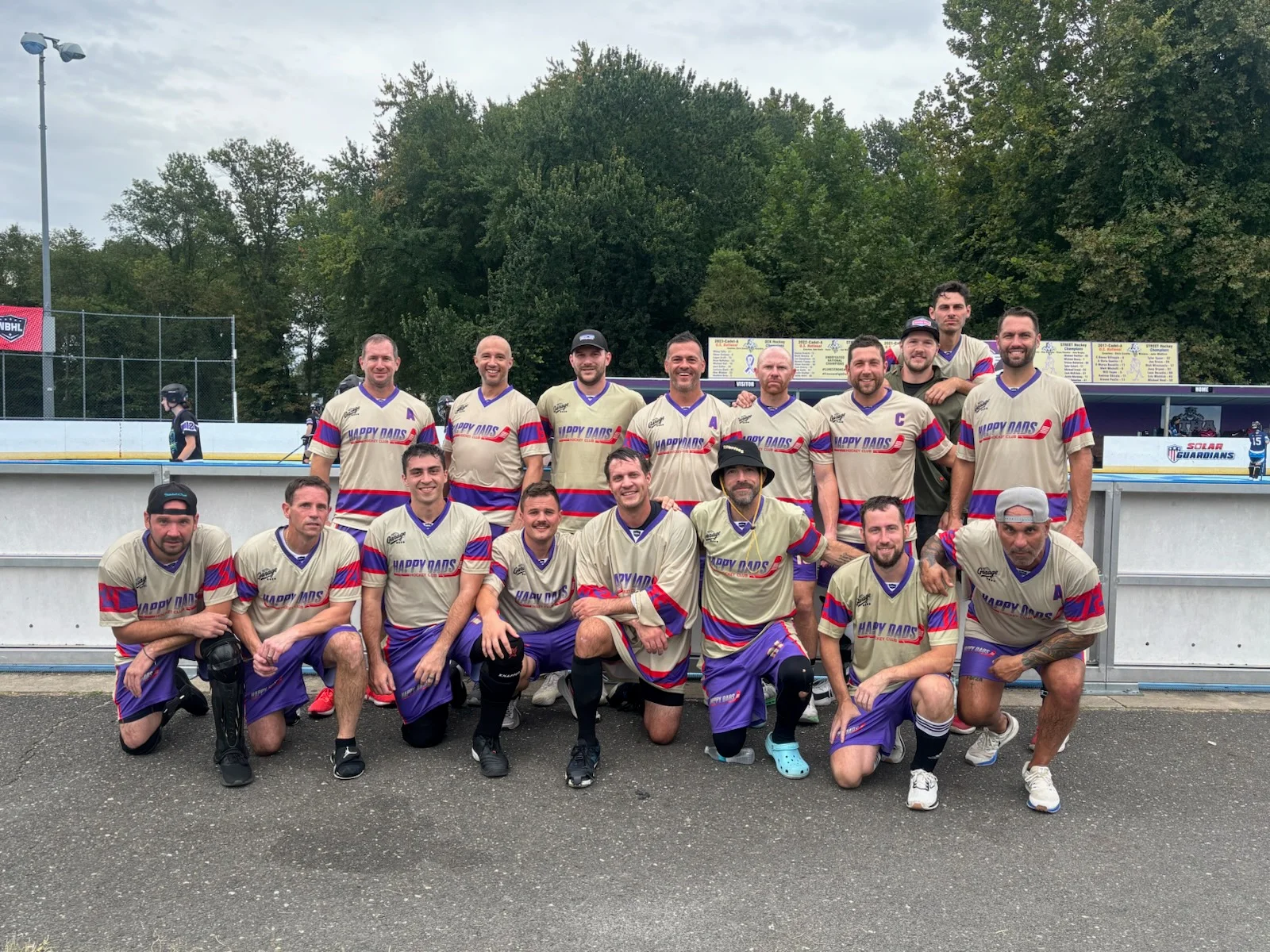
On the dek, that NBHL season I played for the Bridgeville Happy Dads, which, given the year I was having, felt right. In September, we went to the NBHL Championships in New Jersey, with a game back in Marlton, where I tried out for the U20 team 11 years earlier. We lost in the quarterfinals to the team that won the whole thing.
On October 5, 2026, Wealth Advisor Training shut down. The client decided to close it, I archived every piece of it, and I deleted the server myself that same evening. Over four years it took more than 500 paid orders, and it was the build that turned me from someone who made websites into someone who builds systems. That relationship, and the one with the advisory firm before it, are both over now. I am proud of what I built there, and a little irritated at how hard I had to fight the tools to build it, because I could build the same thing so much better today. It is the before picture for everything I build now.
To be continued...